


Please fill in the form below !

Rhinoplasty may be performed using different anesthesia approaches depending on the procedure, its complexity and the patient's medical assessment. Non-surgical rhinoplasty may use local anesthesia, while surgical rhinoplasty may involve local anesthesia with sedation or general anesthesia according to the treatment and anesthesia plan. Understanding the difference between local and general anesthesia can help you know what to expect before your procedure. Below, EMCAS Aesthetic Hospital explains the two approaches and how anesthesia is considered when planning rhinoplasty.
Local vs. General Anesthesia: What’s the Difference?
What Is Local Anesthesia?
Local anesthesia temporarily numbs a specific area of the body while allowing the patient to remain conscious. It may be used for selected minor procedures or non-surgical rhinoplasty so that the treated area is numb during the procedure.
For some surgical procedures, local anesthesia may also be combined with sedation. The appropriate anesthesia approach depends on the procedure being performed and the medical team's assessment of your individual condition.

What Is General Anesthesia?
General anesthesia is one of the anesthesia approaches that may be used during rhinoplasty surgery. So, what does general anesthesia involve?
General anesthesia uses medications administered through an intravenous line, inhaled anesthetic agents or an appropriate combination to produce temporary unconsciousness and prevent pain during surgery. The patient remains unconscious during the procedure and gradually wakes as the anesthetic is discontinued and wears off.
The choice between local anesthesia with sedation and general anesthesia depends on factors such as the complexity of the rhinoplasty procedure, the patient's medical condition and the anesthesia plan recommended by the medical team.
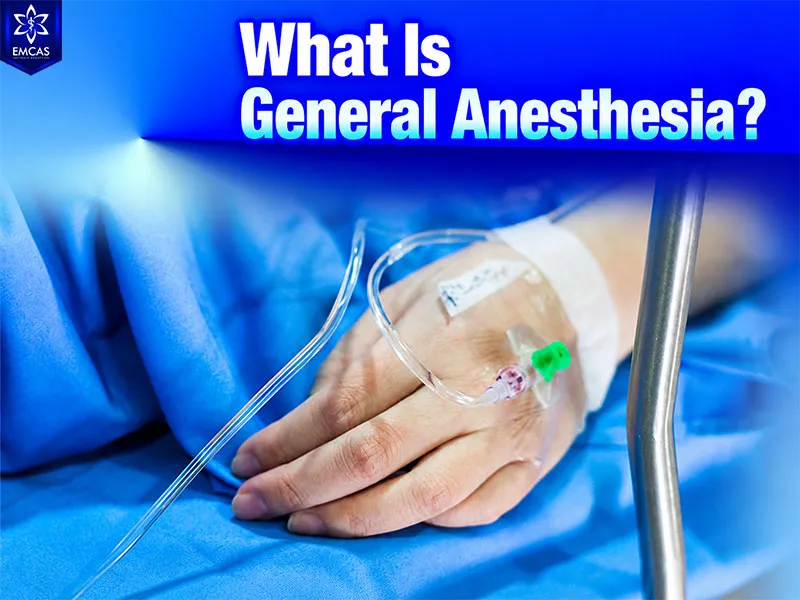
Local vs. General Anesthesia for Rhinoplasty
Local and general anesthesia differ in how they affect awareness, how they are used and what monitoring may be required. The table below provides a practical comparison in the context of rhinoplasty:
| Criteria | Local Anesthesia | General Anesthesia |
| How it works | Temporarily numbs a specific treatment area | Produces temporary unconsciousness and prevents pain during surgery |
| Level of awareness | The patient usually remains awake; sedation may make the patient drowsy or relaxed when it is part of the anesthesia plan | The patient is unconscious during the procedure |
| Use in rhinoplasty | Selected minor or non-surgical procedures, and some surgical cases when local anesthesia with sedation is considered appropriate | May be selected for more extensive or complex rhinoplasty procedures, including procedures such as autologous cartilage rhinoplasty, structural rhinoplasty, SVF rhinoplasty, revision rhinoplasty or dorsal hump correction, depending on the surgical and anesthesia plan |
| Immediate recovery | Recovery may be quicker when local anesthesia is used without deeper sedation | The patient gradually regains consciousness after anesthesia is stopped and may feel tired or groggy for a period after surgery |
| Clinical monitoring | Monitoring requirements depend on the procedure and whether sedation is also used | Requires an appropriate anesthesia team and perioperative monitoring |
| Cost | Generally lower when a simpler anesthesia approach is appropriate | May be higher because of the anesthesia team, medications and monitoring required |
The appropriate anesthesia approach for rhinoplasty therefore depends on the procedure, your medical condition and the recommendation of the surgical and anesthesia teams. Understanding these differences can help you discuss your anesthesia plan more clearly before treatment.
Is Rhinoplasty Done Under Local or General Anesthesia?
Rhinoplasty is not performed under one anesthesia method in every case. The appropriate option depends on the type and extent of the procedure, the patient's medical assessment and the anesthesia plan.
For non-surgical rhinoplasty, local anesthesia may be used to numb the treatment area. For surgical rhinoplasty, the medical team may recommend local anesthesia with sedation or general anesthesia depending on the complexity of the operation and the patient's individual condition.
General anesthesia may involve a higher overall cost than local anesthesia because it requires anesthesia medications, appropriate monitoring and an anesthesia team. Cost, however, should not determine the anesthesia method on its own. The final choice should be based on clinical suitability and the medical team's assessment.
Related article: DOES RHINOPLASTY HURT?

Is General Anesthesia for Rhinoplasty Dangerous?
General anesthesia is used to keep a patient unconscious and prevent pain during surgery, but it is not completely risk-free. When it is appropriately indicated, administered by qualified anesthesia professionals and supported by suitable monitoring in a medical facility, risks can be assessed and managed throughout the procedure.
How quickly you wake after general anesthesia varies depending on the medications used, the procedure and your individual response. You will gradually regain consciousness after the anesthetic is stopped while the medical team monitors your recovery. Before rhinoplasty, your health assessment and discussion with the anesthesia team are important parts of determining an appropriate anesthesia plan.
How Anesthesia Fits Into the Rhinoplasty Process at EMCAS
At EMCAS Aesthetic Hospital, the anesthesia plan is considered together with the rhinoplasty technique, the extent of treatment and the patient's medical assessment. The aim is to select an approach appropriate for the planned procedure and individual condition.
The rhinoplasty procedure at EMCAS includes the following main stages:
-
Consultation and examination:
The doctor examines your current nasal structure, discusses your goals and explains the rhinoplasty approach and graft or implant materials that may be appropriate for your facial proportions. Facial measurements and nasal analysis are used to support an individualized treatment plan.
Morpheus 3D imaging may also be used to help visualize the proposed nasal design and support the consultation and treatment-planning process.
-
Preoperative health assessment:
Depending on the planned procedure and medical assessment, preoperative checks may include an anesthesia evaluation, blood tests and an electrocardiogram. These assessments help the medical team determine whether you are medically suitable to proceed and plan the anesthesia approach.
-
Rhinoplasty procedure:
For non-surgical rhinoplasty, the treatment area is cleansed and local anesthesia may be used before the planned thread or filler procedure is performed.
For surgical rhinoplasty, local anesthesia with sedation or general anesthesia may be selected according to the procedure and the medical team's assessment. Surgery is performed in an appropriate operating-room setting. The surgeon then carries out the planned nasal reshaping, which may involve creating a surgical pocket, preparing cartilage or implant material and positioning it according to the treatment plan.
-
Postoperative monitoring and care:
After a non-surgical procedure, you may be able to return home the same day according to the doctor's instructions. Follow the aftercare guidance provided by the medical team.
After surgical rhinoplasty, you will be monitored for the period recommended by the medical team before discharge. At home, follow your postoperative instructions, avoid pressure or strong impact to the nose and attend scheduled follow-up appointments so your recovery can be assessed.

In summary, the choice of rhinoplasty anesthesia depends on factors such as the procedure being performed, its complexity, your medical condition and the medical team's assessment. Understanding how local anesthesia, sedation and general anesthesia differ can help you prepare for a more informed discussion with your surgeon and anesthesia team before rhinoplasty.
EMCAS AESTHETIC HOSPITAL
Address: 14/27 Hoang Du Khuong Street, Hoa Hung Ward, Ho Chi Minh City, Vietnam
Hotline: 0903082836 – 0979223636
Website: https://www.emcas.vn/en