



Please fill in the form below !

Understanding the rhinoplasty procedure is an important part of preparing for nose reshaping surgery. Rhinoplasty can improve the shape and proportions of the nose, helping it appear more balanced with the rest of the face.
To make an informed decision, it is important to understand both rhinoplasty itself and the steps involved before, during and after surgery. In this article, EMCAS Aesthetic Hospital explains its four-step rhinoplasty procedure, along with preparation and postoperative care guidance.
What Is Rhinoplasty?
Rhinoplasty is a cosmetic procedure used to reshape the nose. Depending on the patient's anatomy and treatment goals, it may involve raising the nasal bridge, refining the overall nasal contour, or adjusting the tip or alar area to create a nose that appears more proportionate to the face. Two common approaches discussed in this article are:
- Rhinoplasty surgery, an invasive surgical approach that may include techniques using autologous cartilage, synthetic implants, structural rhinoplasty, SVF-assisted rhinoplasty or revision rhinoplasty.
- Non-surgical rhinoplasty, a less invasive approach that may use absorbable threads, dermal fillers or autologous fat, depending on the treatment plan.
Rhinoplasty may be considered for concerns such as a low bridge, dorsal hump, upturned or asymmetrical nose, as well as other aesthetic concerns related to nasal shape. Before choosing any technique, patients should discuss the available options with a qualified doctor and select an appropriately licensed medical facility.

Rhinoplasty Procedure at EMCAS: 4 Key Steps
The rhinoplasty procedure at EMCAS Aesthetic Hospital is organized into four main stages, from consultation and preoperative screening to surgery and postoperative care.
Step 1: Consultation and Examination
EMCAS uses imaging equipment to support the consultation and examination process. Morpheus 3D imaging can be used to simulate potential changes before and after rhinoplasty, helping patients visualize a possible outcome and supporting the doctor in treatment planning.
Based on your goals and current nasal anatomy, the doctor will assess your nose and discuss a shape and surgical approach that may be suitable for your facial proportions. You will also be informed about the main stages of the procedure so you can better understand what to expect.
The choice of cartilage or implant material can also affect the surgical plan and aesthetic outcome. Your doctor will explain the available materials and their characteristics so that an appropriate option can be selected for your individual case.
Step 2: Preoperative Health Screening
Preoperative health screening is an essential part of the rhinoplasty procedure because it helps determine whether you are medically suitable for surgery. Depending on your doctor's assessment, you may be asked to undergo tests such as blood tests, pre-anesthesia evaluation and diagnostic imaging.
Once you have been cleared for surgery, the medical team will provide instructions on how to prepare for the procedure, including guidance on medications that may need to be stopped or adjusted under medical supervision.
Step 3: Rhinoplasty Surgery
The surgical procedure is performed in a sterile operating room. For the surgical pathway described here, general anesthesia is used during the operation. The surgeon prepares and shapes the cartilage or implant material according to the selected rhinoplasty technique and treatment plan.
Depending on the technique, rhinoplasty incisions may be positioned inside the nose or in less conspicuous areas. Through these incisions, the surgeon accesses the nasal structures, places or reshapes the selected material and adjusts the nasal contour to achieve a shape that is proportionate to the patient's face.
If SVF is incorporated into the treatment plan, fat is first harvested and then processed in the laboratory to isolate the cell-rich fraction before it is applied to the nasal area. The surgical incisions are then closed with appropriate sutures.
Step 4: Postoperative Care and Monitoring
After surgery, you will remain at the hospital for observation and postoperative monitoring before discharge. Once you return home, following the care instructions provided by your medical team is important for wound healing and recovery.
Avoid pressure or strong impact to the nose and limit sleeping on your side during the early recovery period. Take prescribed medication exactly as directed and attend all scheduled follow-up appointments.

How to Prepare Before Rhinoplasty
Preparing both physically and mentally before rhinoplasty can help the surgical process proceed more smoothly. Important points to consider include:
- Learn about the available rhinoplasty techniques, the surgical process and the medical facility where you are considering treatment.
- Attend a consultation and examination so your doctor can assess your nasal anatomy and discuss an appropriate treatment approach.
- Complete the required preoperative health screening so your doctor can determine whether you are medically suitable for surgery. You should also provide an accurate medical history, including any existing medical conditions.
- Stop or adjust medications that may affect bleeding or interact with surgery only when instructed by your doctor.
- Maintain adequate nutrition and avoid alcohol and other substances that your doctor advises you to avoid before surgery.
- Prepare yourself mentally for the procedure and discuss any concerns or expectations with your medical team.
- Plan sufficient time for rest after rhinoplasty and avoid scheduling strenuous work or activities during the early recovery period.
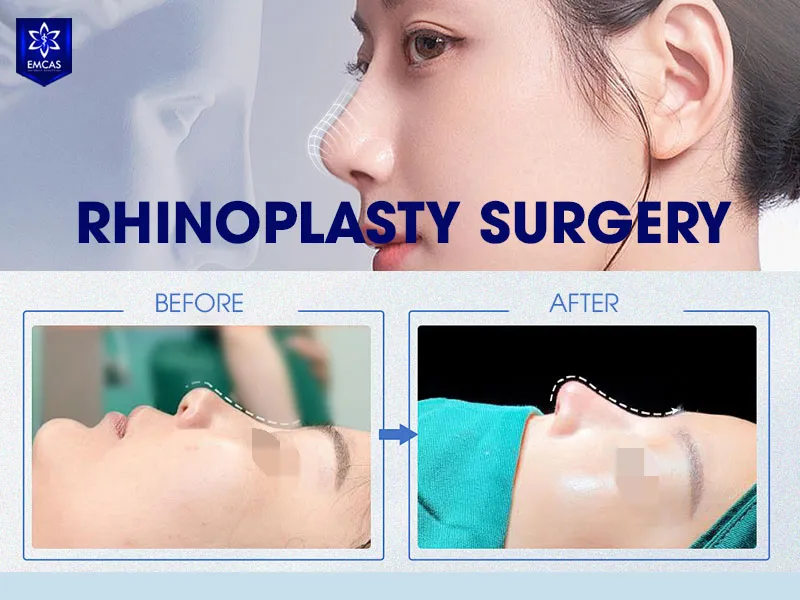
Common Rhinoplasty Approaches
Rhinoplasty can generally be divided into surgical and non-surgical approaches. At EMCAS, treatment options vary according to the technique selected and the patient's individual condition, with prices for some rhinoplasty services starting from VND 18 million.
Below is an overview of how these two approaches differ:
Surgical Rhinoplasty
Surgical rhinoplasty involves operative reshaping of the nasal structure. Depending on the treatment plan, the procedure may use cartilage or implant material to raise the nasal bridge, reshape the nose, and adjust areas such as the nasal tip or alar region.
When autologous cartilage is selected, cartilage must first be harvested from the patient's own body, which involves an additional surgical site and may require additional recovery. Because the material comes from the patient's own tissue, it may reduce concerns related to rejection or allergic reaction compared with some synthetic materials and can provide a softer, more natural-feeling result.
Synthetic implants are also commonly used and may cost less than some autologous-cartilage approaches. At EMCAS, SVF technology may also be incorporated into selected rhinoplasty procedures with the aim of supporting wound healing, collagen production and tissue regeneration, while helping reduce concerns such as visible implant edges or persistent redness.

Non-Surgical Rhinoplasty
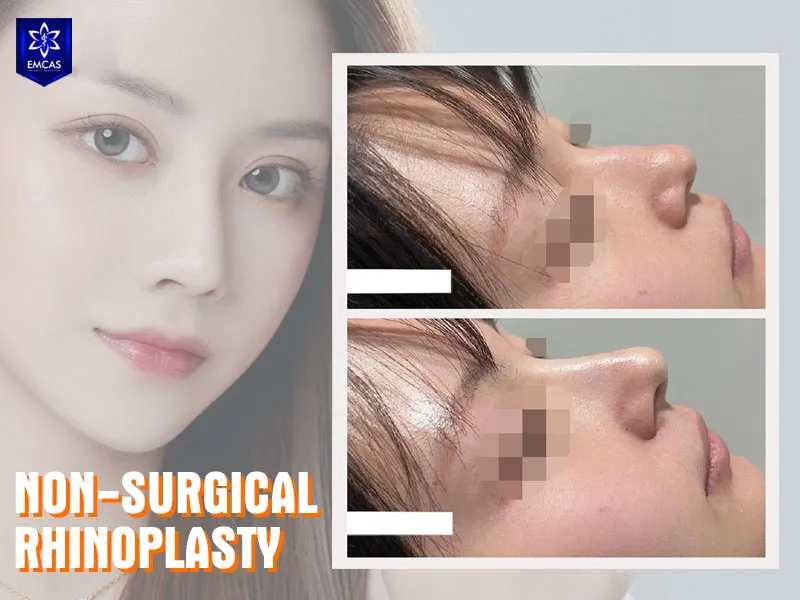
Non-surgical rhinoplasty is a less invasive approach that may use techniques such as absorbable threads, dermal fillers or autologous fat to address selected minor contour concerns and refine the appearance of the nose. Compared with surgery, these techniques are generally intended to provide quicker visible changes with less downtime.
However, the results of non-surgical rhinoplasty are generally not as long-lasting as those of surgical rhinoplasty. The suitability of a non-surgical approach depends on the patient's nasal anatomy, goals and the technique being considered.
Post-Rhinoplasty Care Guide
Postoperative care is an important part of the rhinoplasty process because it supports wound healing and the gradual settling of the nasal tissues. Follow the specific instructions provided by your surgeon and medical team. General care guidance may include:
- Keep the surgical area clean and avoid getting the nose wet during the first approximately seven days, or for the period advised by your doctor. Saline may be used to gently clean around the area as instructed, without applying unnecessary pressure to the nose.
- Wear the nasal splint according to your doctor's instructions and do not remove it without medical advice.
- Cold compresses may be used during the first two to three days to help manage swelling and bruising. Do not place ice directly on the skin. After the first few days, use warm compresses only if recommended by your doctor.
- Rest adequately, avoid strenuous activity, minimize bending forward and limit sleeping on your side during the early recovery period. Follow your doctor's guidance regarding makeup and wearing glasses; the original EMCAS protocol advises avoiding makeup for approximately 10 days and limiting glasses for at least one month.
- Maintain adequate nutrition during recovery and follow any dietary restrictions recommended by your medical team. Avoid alcohol and smoking during the recovery period.
Over approximately three to six months, the nose may progressively settle into a more stable and natural-looking shape. Recovery varies from person to person, so continue following your doctor's instructions and attend scheduled follow-up appointments.
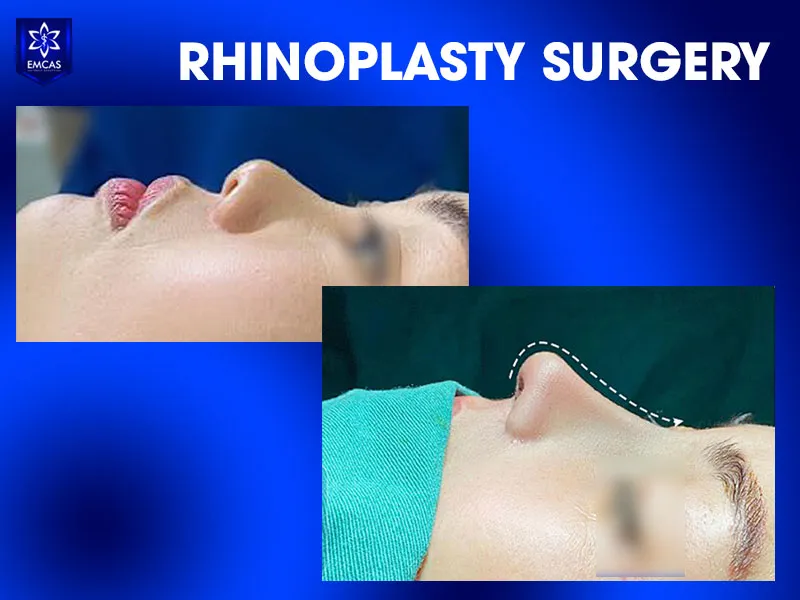
Understanding the rhinoplasty procedure, preparation and postoperative care can help you approach surgery with more realistic expectations. The outcome of rhinoplasty depends not only on the material or technique used, but also on factors such as the surgeon's experience, the medical facility and appropriate postoperative care.
Before deciding on rhinoplasty, take time to understand the available techniques and discuss your options with a qualified medical professional. EMCAS Aesthetic Hospital is available to provide consultation and information about its rhinoplasty services.
EMCAS AESTHETIC HOSPITAL
Address: 14/27 Hoàng Dư Khương Street, Hòa Hưng Ward, Ho Chi Minh City, Vietnam
Hotline: 0903082836 – 0979223636
Website: https://www.emcas.vn/en