



Please fill in the form below !

Rhinoplasty is one of the most common cosmetic surgery procedures today. It can improve nasal shape and facial balance and change the overall appearance of the face. To make an informed decision, it is important to understand the procedure, the surgical process, and how to choose a qualified provider. This guide from EMCAS Aesthetic Hospital explains what to know about rhinoplasty.
What Is Rhinoplasty? A Medical Overview
Rhinoplasty is not simply a cosmetic procedure. It is a surgical technique that requires careful assessment of nasal anatomy and facial proportions.
What is rhinoplasty?
Rhinoplasty is cosmetic surgery that modifies the nasal structure to change its shape, projection, or size so the nose is more proportionate to the face. Depending on the case, the procedure may address a low or flat bridge, asymmetry, or a broad nasal tip using autologous cartilage, synthetic implants, or a combination of materials.
The medical term is rhinoplasty, which refers to surgical techniques used to reshape the nose. It may include cosmetic reshaping, structural reconstruction, and correction of nasal deformities.
The goal of rhinoplasty: facial harmony, not simply a higher bridge
The goal of rhinoplasty is not simply to make the nose higher. It is to create proportion and balance with the rest of the face without making the nose look rigid or disproportionate. An aesthetically balanced nose should have a natural contour and a refined tip that suits the individual face rather than following a single template.
At EMCAS, the surgeon evaluates the existing nasal structure together with the patient’s aesthetic goals to develop an individualized surgical plan designed to address specific concerns while maintaining facial harmony.
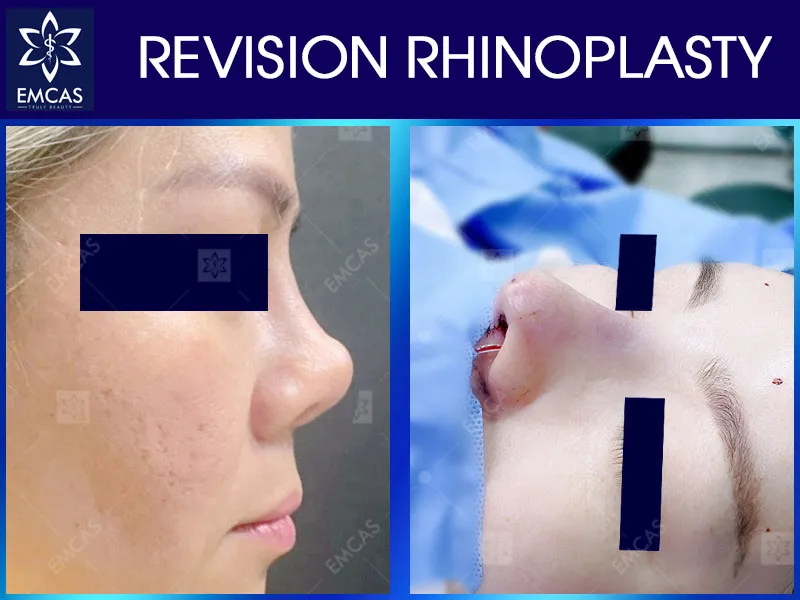
Primary rhinoplasty vs. revision rhinoplasty
| Criteria | Primary rhinoplasty | Revision rhinoplasty |
| Definition | A procedure performed to improve nasal shape and/or increase bridge projection | A procedure performed on a previously operated nose to correct problems or improve an unsatisfactory result |
| Purpose | Create a more projected, balanced nose that is proportionate to the face | Address complications or improve a previous result |
| Technique | Often focuses on bridge augmentation and may include tip or alar correction | May require more extensive reconstruction, removal of previous implants or grafts, and management of damaged or scarred tissue |
| Recovery | Often shorter | May take longer because the procedure can be more complex |
| Cost | Generally lower | Often higher because of greater complexity |
Common Rhinoplasty Techniques
Rhinoplasty can be performed using different techniques depending on nasal anatomy, the degree of correction required, and the patient’s goals. The surgeon will recommend an approach after an in-person assessment.
Structural rhinoplasty
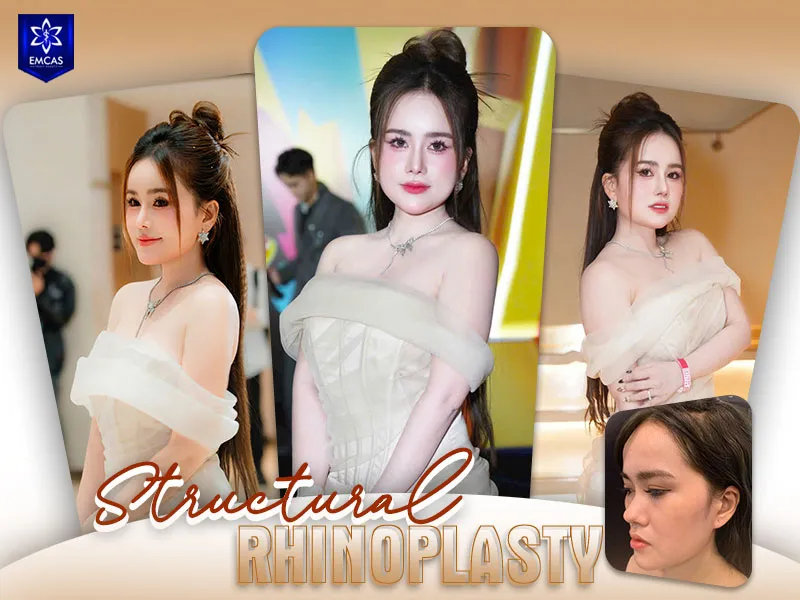
Structural rhinoplasty reshapes and reconstructs the nasal framework, which may involve the bridge, tip, and columella. Depending on the anatomy and surgical plan, autologous cartilage may be combined with an implant to increase projection, reshape the nose, or provide additional tip coverage.
Partial structural rhinoplasty
Partial structural rhinoplasty modifies only selected parts of the nasal framework, commonly focusing on tip refinement and bridge augmentation. It may be considered when the existing nasal foundation is relatively stable and only limited correction is needed.
Autologous cartilage rhinoplasty
Autologous cartilage rhinoplasty uses cartilage from the patient’s own body, such as rib, ear, or septal cartilage, to support the nasal tip or modify nasal height and shape. Because the graft comes from the patient, it is generally well tolerated and can reduce concerns related to foreign-material rejection or allergy.
Rhinoplasty with synthetic implants
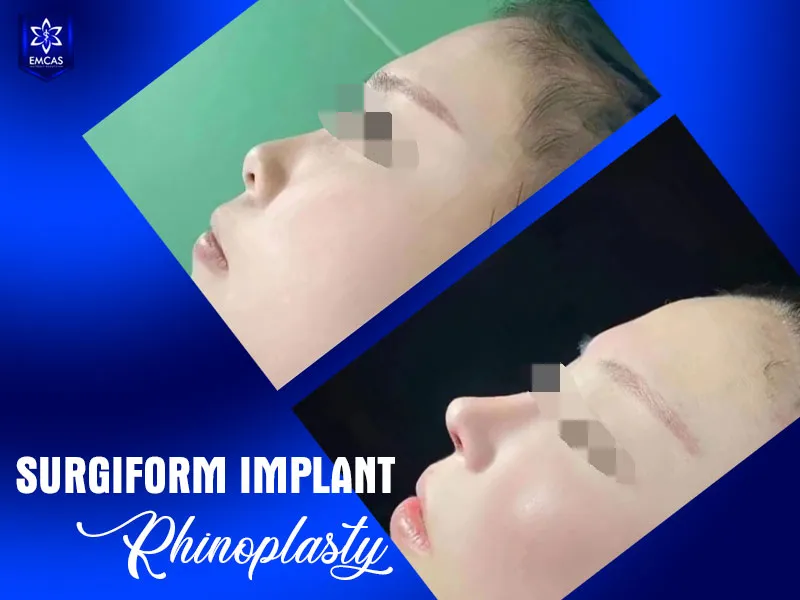
Rhinoplasty with synthetic implants is a commonly used option for bridge augmentation. Depending on the indication, materials such as silicone or other medical-grade implants may be used to increase bridge projection and refine nasal contours.
High-bridge rhinoplasty
High-bridge rhinoplasty is designed to create a taller, straighter nasal profile from the radix toward the tip. It commonly uses structural rhinoplasty techniques to achieve the intended projection and contour.
SVF rhinoplasty
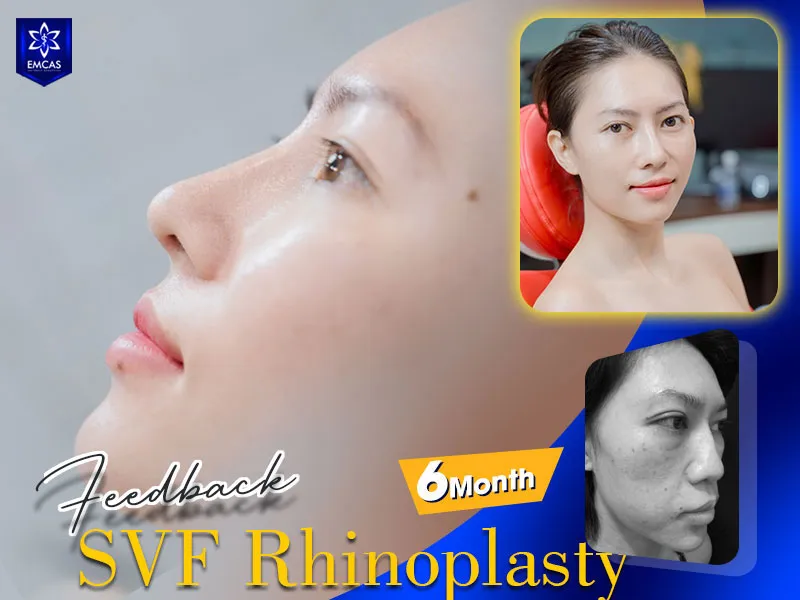
SVF rhinoplasty at EMCAS combines rhinoplasty using autologous cartilage and/or synthetic materials with stromal vascular fraction (SVF) derived from autologous fat.
According to EMCAS’s treatment protocol, SVF is used to support tissue regeneration and healing around the treated area.

Rhinoplasty procedure at EMCAS: what to expect
At EMCAS Aesthetic Hospital, rhinoplasty follows a structured surgical pathway with preoperative assessment, surgical planning, the procedure itself, and postoperative monitoring.
Step 1: Consultation and examination
The surgeon examines the nasal structure, assesses the current condition, and discusses your goals. A personalized surgical plan and suitable technique are then proposed.
Step 2: Preoperative health assessment
Necessary preoperative checks may include blood tests, an electrocardiogram, and anesthesia-related assessment to determine whether you are medically suitable for surgery.
Step 3: Measurements and surgical design
Based on facial proportions, the surgeon takes measurements and may use Morpheus 3D imaging to help visualize the planned nasal shape.
Step 4: Anesthesia
Depending on the extent of surgery, local anesthesia with sedation or general anesthesia may be selected by the medical team to maintain comfort during the procedure.
Step 5: Surgery
The surgeon creates the necessary surgical access and performs the planned bridge augmentation, tip refinement, alar correction, or structural reconstruction. The incisions are then closed and the nose is supported as required.
Step 6: Postoperative care
After surgery, you are monitored in the recovery area. Before discharge, the medical team provides instructions on rhinoplasty aftercare and follow-up appointments.
Before and After Rhinoplasty: How to Prepare and Reduce Risk
Preparation and postoperative care can influence recovery and help reduce avoidable risks. Follow the instructions provided by your surgical team before and after rhinoplasty.
Preparing for surgery
Before rhinoplasty, your health should be stable and you should follow your surgeon’s preoperative instructions.
-
Complete the required consultation and health assessment
-
Avoid alcohol and smoking before surgery as instructed by your medical team
-
Do not take medicines that can affect blood clotting, such as aspirin, unless your doctor has advised you to do so
-
Get adequate rest before the day of surgery
Early recovery: are swelling and bruising normal?
Swelling and bruising around the nose or eyes are common during the early postoperative period after rhinoplasty.
-
First 2–3 days: Swelling and bruising around the eyes or cheeks may be more noticeable, with some soreness.
-
Days 5–7: Swelling may begin to decrease and bruising often starts to fade.
-
After 1 month: The nose is generally less swollen and continues to settle.
Aftercare to support recovery
-
Use cold compresses during the first 1–2 days if advised to help reduce swelling; gentle warm compresses may be considered afterward if your surgeon recommends them.
-
Take prescribed medications and attend follow-up appointments as directed.
-
Avoid impact or pressure on the nose.
-
Avoid sleeping on your side when possible; sleeping on your back may help protect the nose during early recovery.
-
Maintain adequate nutrition to support wound healing.
Warning signs that require medical attention
In addition to expected postoperative symptoms, contact your medical team promptly if you notice concerning signs such as:
-
Persistent or worsening swelling and pain
-
A new or worsening deformity, deviation, or visible implant contour
-
Drainage, pus, or an unpleasant odor
-
High fever or severe pain
Is Rhinoplasty Safe? Risks and Ways to Reduce Complications
Rhinoplasty is a common cosmetic procedure, but like any surgery it carries risks. Appropriate surgical technique, a qualified medical team, suitable facilities, and proper postoperative care are important factors in reducing avoidable complications.
Possible complications: infection, deviation, redness, and implant visibility
-
Infection: Persistent swelling or pain, redness, drainage, or pus may indicate infection.
-
Nasal bridge deviation: The bridge may appear crooked or off-center. This can be related to graft or implant position or displacement after trauma.
-
Redness, implant visibility: In patients with thin nasal skin or an unsuitable implant, the bridge may look tight, red, or the implant contour may become visible.
-
Nasal tip contracture: The nasal tip may become shortened or upturned.
-
Skin breakdown or necrosis: Excessive pressure from an implant or severe infection can damage nasal skin and soft tissue.
Factors that can contribute to complications
Complications may be associated with multiple factors, including:
-
Inadequate surgical technique or limited surgeon experience
-
Poor-quality or unsuitable implant materials
-
Inadequate sterile operating conditions
-
Individual tissue response or intolerance to implanted materials
-
Postoperative care that does not follow medical instructions
How to reduce risk
-
Choose a licensed medical facility
-
Choose a surgeon with relevant training and experience
-
Complete appropriate preoperative assessment
-
Follow postoperative care instructions
-
Attend scheduled follow-up visits so problems can be identified and managed promptly
How Does Rhinoplasty Change With Age? Longevity of Results
Rhinoplasty results can last for many years, but the nose and surrounding tissues continue to change with natural aging over time.
What affects how long rhinoplasty results last?
Rhinoplasty results may last 10–20 years, and sometimes longer. Longevity varies depending on factors such as:
-
Surgical technique: Structural approaches may provide longer-lasting support than simpler augmentation techniques in appropriate cases
-
Materials used: Autologous cartilage is generally well tolerated, while synthetic implants should be medically appropriate and of verified quality
-
Surgeon technique: Accurate surgical technique can help reduce complications and support long-term stability
-
Individual healing: Healing and tissue response vary from person to person
-
Postoperative care: Following postoperative instructions supports healing and long-term stability
When revision may be considered years later
-
Changes in nasal shape due to aging of the skin and soft tissues
-
A synthetic implant that is no longer suitable or has developed a problem
-
Late complications such as deviation, redness, implant visibility, or contracture
-
A desire to change the nasal shape for new aesthetic goals
How much does rhinoplasty cost?
At EMCAS Aesthetic Hospital, rhinoplasty prices generally start from VND 17 million depending on the technique and individual treatment plan. Contact EMCAS for a personalized assessment and an exact quotation.
| Procedure | Starting price |
| Structural rhinoplasty | From VND 35 million |
| Autologous cartilage rhinoplasty | From VND 25 million |
| Rhinoplasty with synthetic implants | From VND 23 million |
| SVF rhinoplasty | From VND 17 million |
| Ear-cartilage tip rhinoplasty | From VND 25 million |
| High-bridge rhinoplasty | From VND 17 million |
| Revision rhinoplasty | From VND 25 million |
Factors that affect rhinoplasty cost
The cost of rhinoplasty depends on several factors, including:
-
Procedure type: Structural, partial structural, and other rhinoplasty techniques have different fees.
-
Surgeon technique: Fees may vary according to the surgeon’s training and experience.
-
Materials: Autologous cartilage procedures may cost more than procedures using synthetic implants.
-
Facility: Hospital-based care with appropriate surgical facilities and equipment may have higher associated costs.
Why price alone should not determine your choice
Very low-cost rhinoplasty may be associated with concerns such as unsuitable materials, inadequate sterile conditions, or limited surgical experience. These factors can increase the risk of infection, deviation, or the need for revision surgery.
When considering rhinoplasty, prioritize medical safety, surgeon qualifications, and facility standards rather than price alone.
Who May Be a Candidate for Rhinoplasty?
Rhinoplasty can change nasal shape and facial balance, but it is not appropriate for everyone. Candidacy should be determined through medical assessment and discussion of realistic goals.
Common reasons people consider rhinoplasty
Rhinoplasty may be considered for concerns such as:
-
A low or flat bridge, flat nose, dorsal hump, or limited bridge definition
-
A bulbous nasal tip, broad tip, or wide nostrils
-
A crooked or asymmetrical nose
-
Nasal deformity related to congenital anatomy or trauma
-
A desire to improve nasal appearance and facial balance
Age considerations for rhinoplasty
Rhinoplasty is generally considered after nasal and facial growth is complete. At EMCAS, cosmetic rhinoplasty is typically considered for adults aged 18 and older following medical assessment.
When rhinoplasty may need to be postponed or carefully evaluated
Rhinoplasty may require additional evaluation or may need to be postponed in situations such as:
-
Serious or poorly controlled medical conditions, including cardiovascular disease or diabetes
-
Pregnancy or breastfeeding
-
A history of problematic scarring or poor wound healing
Where to have rhinoplasty safely? How to evaluate a provider
Choosing an appropriate surgical facility and qualified surgeon is an important part of rhinoplasty safety. Patients should evaluate licensing, surgical standards, materials, postoperative care, and the surgeon’s experience.
What to look for in a surgical facility
Key criteria include:
-
Licensing by the relevant health authority
-
Appropriate operating-room sterility and medical equipment
-
A clearly defined surgical process that follows medical standards
-
Implants and materials with traceable origin and quality controls
-
Structured postoperative care and follow-up
The role of EMCAS surgeons
At EMCAS Aesthetic Hospital, the surgeon evaluates nasal anatomy, discusses the patient’s goals, selects the surgical approach, and manages the procedure and follow-up care. The EMCAS medical team has experience treating a range of nasal conditions.
The surgeon also provides consultation and develops an individualized nasal design based on facial proportions and the patient’s anatomy.
Why consider EMCAS Aesthetic Hospital for rhinoplasty?
EMCAS Aesthetic Hospital provides rhinoplasty within a hospital setting with the following features:
-
Operating license: EMCAS operates under Ministry of Health license No. 37/BYT-GPHĐ as a specialty hospital for aesthetic surgery.
-
Medical team: The medical team handles rhinoplasty cases ranging from straightforward augmentation to more complex reconstruction. Before surgery, patients receive a direct consultation and individualized surgical planning.
-
Surgical process: Rhinoplasty is performed in an operating room using sterile technique and hospital surgical protocols.
-
Medical facilities: EMCAS has diagnostic and imaging equipment including a 3.0 Tesla MRI system, 128-slice CT scanner, Mammomat Inspiration mammography system, and Morpheus 3D imaging.
-
SVF technology: At EMCAS, SVF derived from autologous fat is used as part of selected protocols to support tissue recovery.
-
Rhinoplasty materials: The hospital uses synthetic implants with documented origin and quality control.
-
Postoperative care: The medical team monitors patients after surgery and provides follow-up support throughout recovery.

Patient Cases and Before-and-After Results
Below are examples of rhinoplasty cases performed at EMCAS Aesthetic Hospital.
-
A patient’s journey toward a natural-looking nasal contour at EMCAS
“After about one month, my nose started to look more natural and did not appear stiff, so many people did not realize I had undergone rhinoplasty. I am very happy with the shape of my nose, and my experience at EMCAS made me feel that the decision was worthwhile.”

-
A revision rhinoplasty story at EMCAS
“I had rhinoplasty once before, but the result was not what I expected. The bridge was a little too high and developed redness, so I decided to have a second surgery and chose EMCAS Aesthetic Hospital for the revision.”
Rhinoplasty is a common option for people who want to change the shape of their nose, but informed decision-making remains important. Outcomes depend not only on surgical technique but also on individualized planning based on nasal anatomy and facial proportions. Contact EMCAS Aesthetic Hospital to schedule an examination and consultation with the medical team.
EMCAS AESTHETIC HOSPITAL
Address: 14/27 Hoang Du Khuong Street, Hoa Hung Ward, Ho Chi Minh City, Vietnam
Hotline: 0903082836 – 0979223636
Website: https://www.emcas.vn/en