

Please fill in the form below !



SVF rhinoplasty uses stromal vascular fraction (SVF) derived from the patient’s own fat as an adjunct to rhinoplasty. At EMCAS, the treatment plan may combine SVF with a synthetic implant for nasal bridge augmentation, ear cartilage for the nasal tip, and a dermal-fat layer, depending on the patient’s nasal anatomy and surgical goals.
In simple terms, the procedure may use a synthetic implant to increase bridge projection, ear cartilage to support or cover the nasal tip, and a dermal-fat layer placed over selected areas before SVF is added as part of the treatment protocol.
Ear cartilage is soft, flexible, and elastic, which allows the surgeon to shape it for use around the nasal tip. When appropriate for the surgical plan, it can help create a smoother and more natural-looking transition at the tip.
Fat is harvested from areas such as the abdomen, thighs, or hips and then processed to obtain stromal vascular fraction. At EMCAS, SVF is used around the treated nasal tissue with the aim of supporting tissue recovery and healing after surgery.
SVF is used as an adjunct rather than a replacement for standard rhinoplasty techniques. The expected result, recovery period, and risk profile still depend on the patient’s anatomy, the surgical plan, and individual healing response.
SVF rhinoplasty may be considered for patients who want to increase nasal bridge projection, refine the nasal tip, or address selected concerns after previous rhinoplasty. A direct examination is needed to determine whether this approach is suitable for a particular case.
At EMCAS Aesthetic Hospital, the medical team provides consultation and support before, during, and after the procedure so that the treatment plan can be tailored to the patient’s condition and goals.
Read more: What Is Rhinoplasty? Learn about rhinoplasty procedures, costs, recovery, and risks at EMCAS.
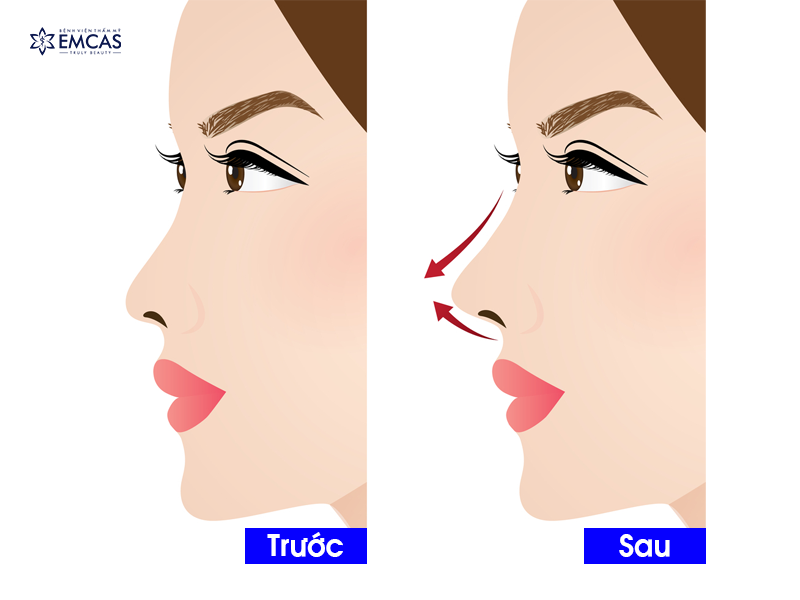
Depending on the patient’s condition and surgical plan, SVF rhinoplasty may offer the following potential benefits:
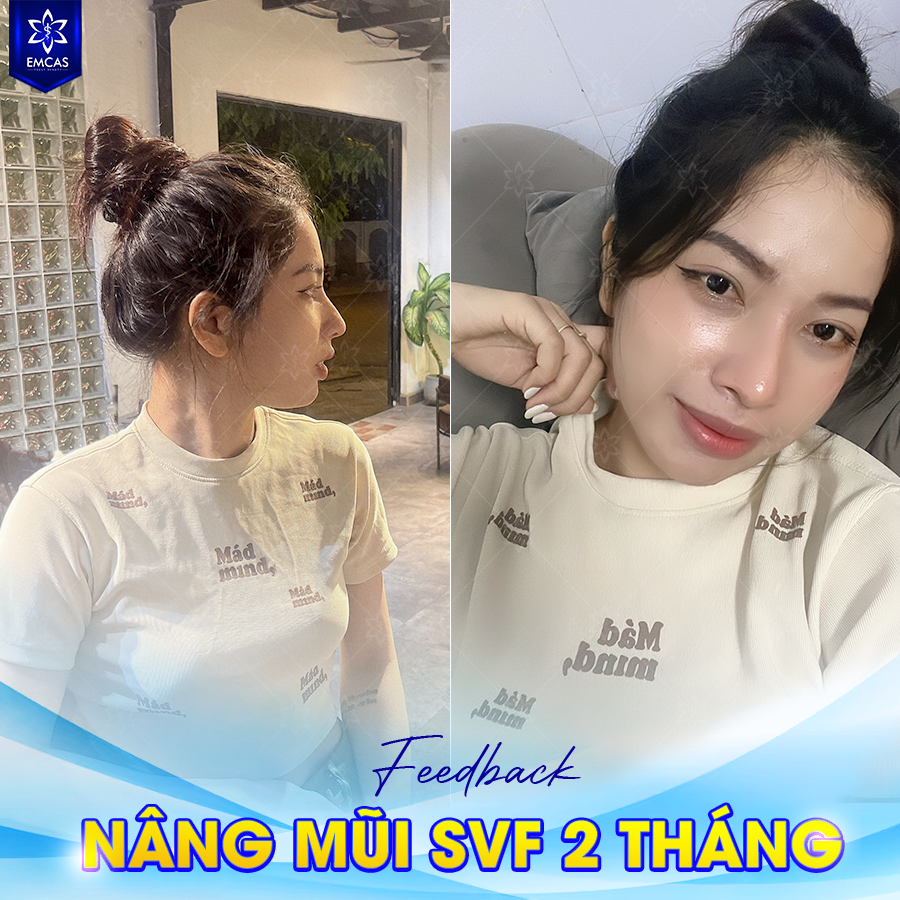
At EMCAS Aesthetic Hospital, the consultation is used to assess the nose, discuss the patient’s concerns, and explain the SVF rhinoplasty approach. Morpheus 3D imaging may be used to support treatment planning and help visualize a proposed nasal shape; the simulation is a planning aid rather than a guarantee of the final result.
Before surgery, the patient undergoes the health assessments required by the medical team. Any underlying conditions, including blood pressure or cardiovascular problems, as well as current medications such as anticoagulants or birth-control medication, should be disclosed to the surgeon.
The medical team reviews the assessment results to determine whether the patient is medically suitable for the planned procedure and whether any adjustments are needed before surgery.
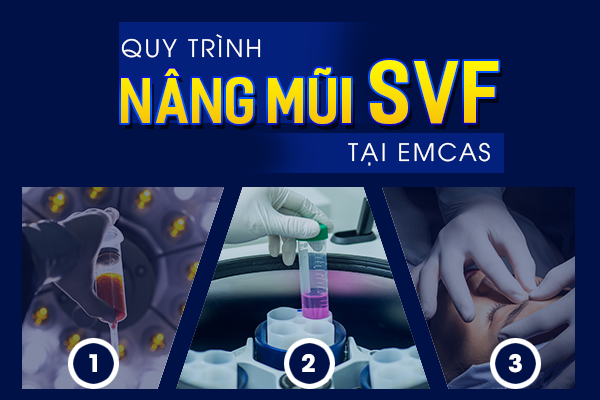
Fat is harvested from a suitable donor area such as the abdomen, thighs, or hips. The collected fat is then processed according to the hospital’s protocol to obtain the stromal vascular fraction used as part of the rhinoplasty plan.
The surgeon may harvest ear cartilage for use around the nasal tip and place a synthetic implant along the bridge when indicated by the surgical plan.
A dermal-fat layer may also be added for soft-tissue coverage in selected areas. SVF is then used as an adjunct around the treated tissue to complete the planned procedure.
Read more: How Much Does Rhinoplasty Cost? See reference pricing and the main factors that can affect rhinoplasty costs.
SVF rhinoplasty is one of several rhinoplasty approaches that may be considered depending on nasal anatomy, previous surgery, tissue condition, and aesthetic goals. Because it combines standard rhinoplasty components with an autologous fat-derived adjunct, careful patient assessment and surgical planning are important.
When considering this procedure, patients should look at factors such as the surgeon’s qualifications and experience, the hospital’s surgical facilities, preoperative assessment, postoperative follow-up, and whether the proposed technique is appropriate for their individual condition.
At EMCAS Aesthetic Hospital, the medical team evaluates each case and develops the rhinoplasty plan according to the patient’s nasal anatomy and treatment goals. The support team also provides guidance before surgery and during postoperative follow-up.
The hospital uses medical equipment and imaging systems to support examination, treatment planning, and surgical care. The specific technique, materials, and use of SVF are determined after direct assessment by the medical team.
If you would like to learn more about SVF rhinoplasty or other plastic surgery procedures, contact EMCAS Aesthetic Hospital to arrange a consultation and discuss which options may be suitable for you.

Explore more rhinoplasty services at EMCAS:
- Structural Rhinoplasty
- Revision Rhinoplasty
EMCAS AESTHETIC HOSPITAL
Address: 14/27 Hoang Du Khuong Street, Hoa Hung Ward, Ho Chi Minh City, Vietnam
Hotline: 0903 082 836 – 0979 223 636
Website: https://www.emcas.vn/en