

Please fill in the form below !



Dorsal hump rhinoplasty is a surgical option for reshaping a prominent or uneven nasal bridge to create a smoother profile and improve facial balance. What is a dorsal hump, how is it corrected, and what does the procedure involve? In this guide, EMCAS Aesthetic Hospital explains the key information to consider before undergoing surgery.
A dorsal hump is a prominent or raised area along the bridge of the nose, sometimes described as an aquiline or convex nasal profile. The contour may involve one or more areas of bone and cartilage, and the prominence can vary in size and position along the nasal dorsum.
A dorsal hump primarily affects the appearance of the nasal profile. Depending on the underlying nasal anatomy, it may also coexist with functional concerns such as difficulty breathing or recurrent nosebleeds. For some people, the shape of the nose can also affect confidence in their appearance.
In traditional physiognomy, a prominent nasal hump may be given symbolic meanings related to career or personal fortune. These beliefs are cultural rather than medical. From an aesthetic perspective, some people choose rhinoplasty because they would like a smoother nasal profile and more balanced facial proportions.
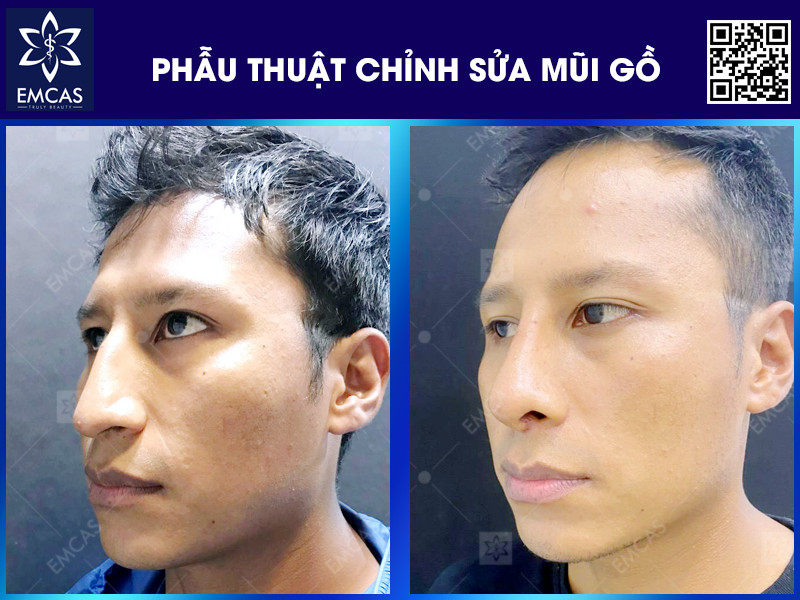
Dorsal hump rhinoplasty is intended to reshape the prominent area of the nasal bridge and improve overall nasal contour. The surgical plan should be individualized after an in-person assessment at an appropriate medical facility.
Depending on the anatomy and the degree of correction required, surgery may involve reshaping the nasal bone and cartilage. Cartilage may also be used to support or increase projection in selected areas, while the nasal tip or alar shape may be adjusted when indicated.
Postoperative care also plays an important role in recovery. Follow your surgeon’s instructions for hygiene, avoid strong impact to the nose, attend follow-up appointments as scheduled, and take prescribed medication exactly as directed.
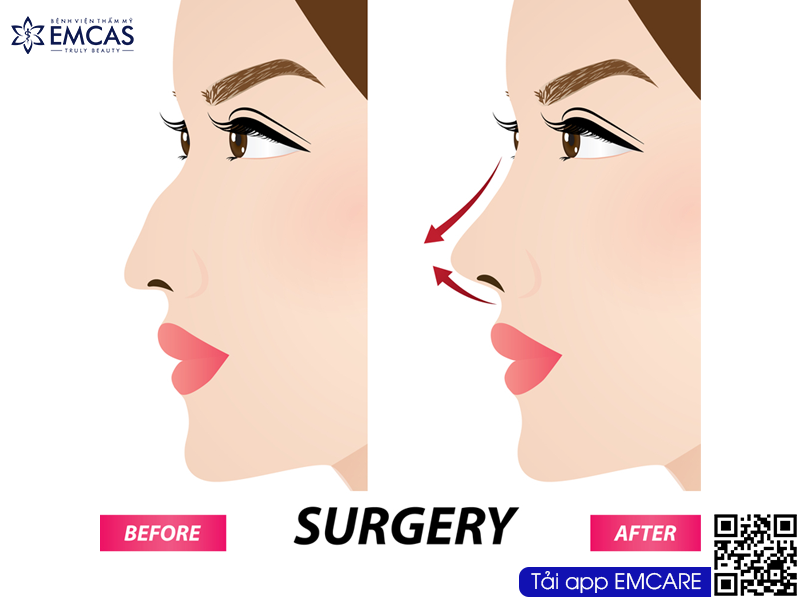
Based on the assessment, the surgeon identifies and marks the areas of prominent bone and cartilage and plans the intended nasal height and contour according to your facial proportions.
Step 2: Preoperative health assessment
A preoperative health assessment is required before rhinoplasty. Depending on the surgeon’s instructions, this may include laboratory tests and an anesthesia assessment.
Step 3: Dorsal hump correction
The procedure typically takes about 90–180 minutes and is performed under general anesthesia. Before anesthesia and surgery begin, the nasal area is cleaned and disinfected as part of the preoperative preparation.
The surgical approach is selected according to the individual nasal anatomy and the degree of correction required. Examples described in the EMCAS treatment pathway include:
You will need to return to the hospital for follow-up and removal of the sutures and nasal splint after approximately 7 days. Subsequent follow-up visits should be attended according to your surgeon’s schedule.
Recovery is part of the treatment process. Wear the nasal splint and follow postoperative instructions for the period recommended by your surgeon, and contact the medical team if you have concerns during recovery.
Read more: What Is Rhinoplasty? Learn about the procedure, cost, recovery and key considerations at EMCAS.

Explore other rhinoplasty services at EMCAS:
EMCAS AESTHETIC HOSPITAL
Address: 14/27 Hoàng Dư Khương Street, Hoa Hung Ward, Ho Chi Minh City, Vietnam
Hotline: 0903082836 – 0979223636
Website: https://www.emcas.vn/en/