



Please fill in the form below !

Rhinoplasty can raise an important concern for people considering the procedure: does rhinoplasty hurt? Although many people want a higher, more refined and natural-looking nose, concerns about pain, swelling and discomfort after surgery may make them hesitant. To better understand what you may feel during recovery, how long discomfort may last and how postoperative care can help, read the guide below from EMCAS Aesthetic Hospital.
Is Rhinoplasty Painful?
Pain is a common concern before rhinoplasty. Rhinoplasty is performed under anesthesia, so pain is controlled during the surgical procedure.
After surgery, you may experience mild soreness, tightness or pressure around the nose during the first few days. These sensations can occur as part of the early recovery process. Choosing an appropriately qualified surgical team and following your postoperative instructions can help reduce avoidable discomfort and support recovery.
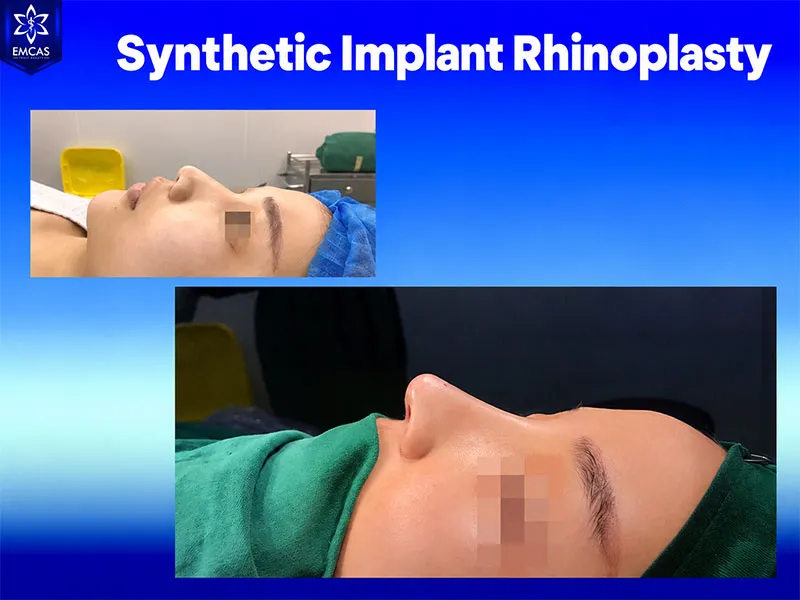
How Long Does Rhinoplasty Take to Heal?
In many cases, swelling begins to improve around 7–10 days after rhinoplasty, and your surgeon may remove the sutures and nasal splint depending on your healing progress. Mild discomfort usually becomes easier to manage as the early recovery period progresses.
You may be able to return to normal daily activities after about one month, while the nose can take approximately 3–6 months to become more stable and settle into a natural-looking shape. Recovery varies depending on individual healing and the surgical technique used. Follow your surgeon's postoperative instructions to support healing and recovery.
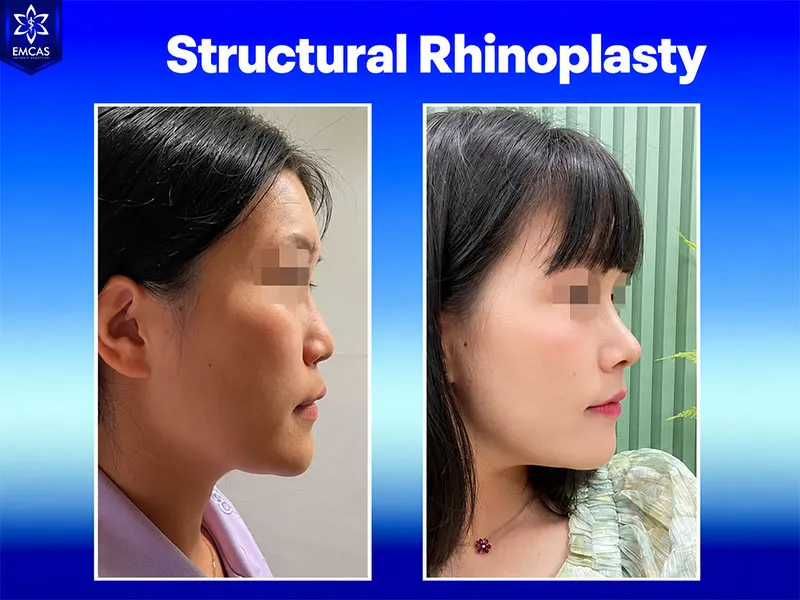
Normal Symptoms and Possible Complications After Rhinoplasty
Understanding what can occur after rhinoplasty can help you prepare for the recovery period and distinguish expected postoperative symptoms from signs that may require medical attention.
Common symptoms after rhinoplasty
Some temporary symptoms can occur as part of the body's normal response after rhinoplasty and generally improve as healing progresses.
- Mild swelling and bruising around the nose and eyes may appear during the first 1–3 days after surgery and can gradually decrease after about one week.
- A feeling of tightness, pressure or mild soreness may occur after the anesthetic effect wears off and usually does not last long.
- Temporary redness or swelling at the nasal tip may occur after the splint is removed and can take approximately 15–30 days to settle.
- Drainage: Some fluid or nasal discharge may occur during the first 2–3 days after rhinoplasty. If needed, gently dab the discharge with a tissue and avoid putting unnecessary pressure on the nose.
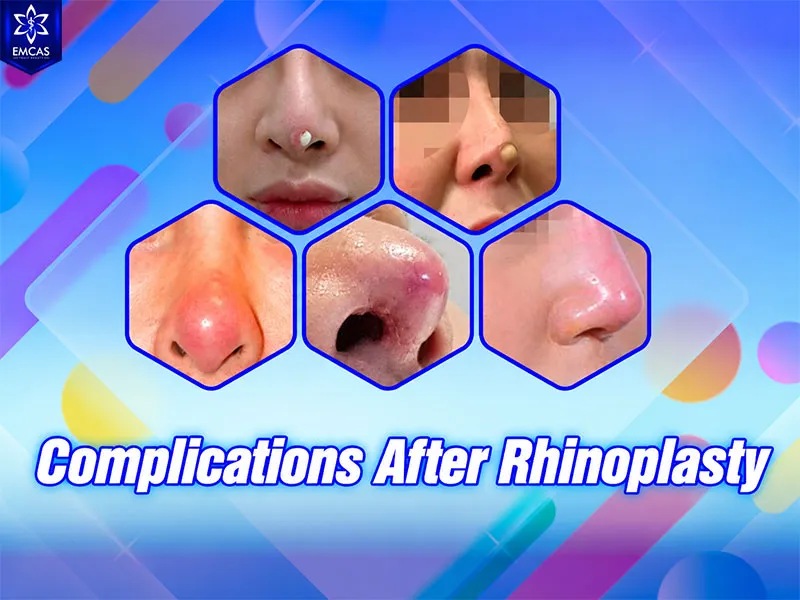
Possible complications after rhinoplasty
- Infection: Persistent redness and swelling, worsening pain, foul-smelling drainage or a mild fever may indicate a problem that requires medical assessment. Contact your doctor if these symptoms occur.
- Nasal deviation or asymmetry: The nasal bridge or tip may appear noticeably shifted to one side. This may occur after trauma or strong impact before the nose has stabilized, or may be associated with surgical factors. Corrective surgery may be considered after the nose has fully healed.
- Visible implant or redness at the nasal tip: This complication may develop one or two years after rhinoplasty in some cases, such as when an implant is unsuitable, poorly tolerated or insufficiently covered by thin nasal skin. The nasal tip may appear thin and red, or the implant contour may become visible. Early medical assessment is important because untreated problems may increase the risk of skin breakdown.
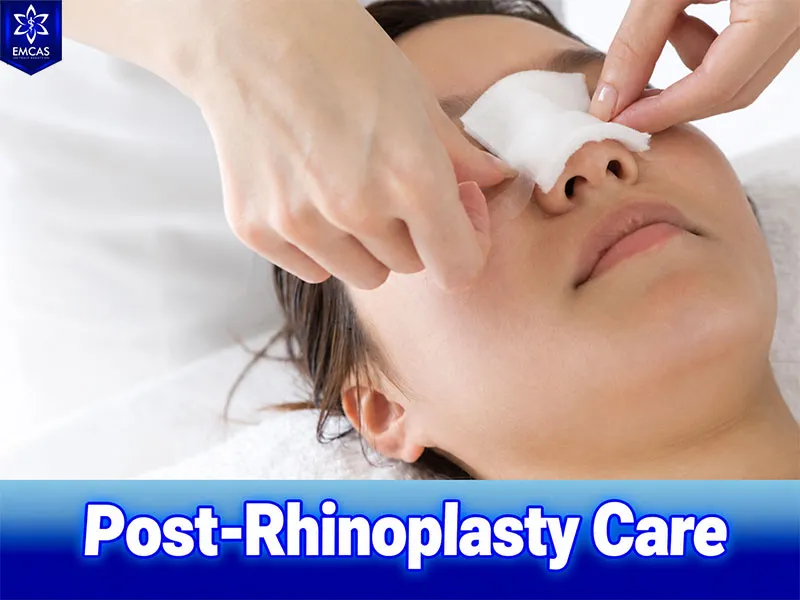
6 Aftercare Tips to Reduce Discomfort After Rhinoplasty
Although discomfort after rhinoplasty usually improves as recovery progresses, appropriate postoperative care can help make the early healing period more comfortable. Follow your surgeon's individual instructions and consider the general measures below.
- Use a cold compress during the first 48 hours if recommended by your surgeon to help reduce swelling and bruising. Apply it for around 10 minutes at a time and do not place ice directly on the nose. Wrap the cold pack in a soft cloth and apply it gently around the area. After the first two days, use a warm compress only if advised by your medical team.
- Sleep on your back with your head elevated during the first seven days to help reduce swelling. Avoid sleeping on your side or stomach if this could place pressure on the healing nose.
- Maintain adequate nutrition after rhinoplasty to support wound healing and drink approximately 1.5–2 liters of water per day unless your doctor has given you different instructions.
- Avoid strenuous activity and excessive bending that may increase pressure around the face and nose or contribute to bleeding. Avoid wearing glasses that place pressure on the nasal bridge during the first month unless your surgeon advises otherwise.
- Avoid touching or pressing on the nose unnecessarily while the surgical area is healing.
- Take medication exactly as prescribed by your doctor to manage pain and inflammation. Do not add pain medication without medical advice. Attend scheduled follow-up appointments, and do not remove sutures or the nasal splint yourself unless instructed to do so.
Frequently Asked Questions About Rhinoplasty Recovery
What should I do if my nose still hurts one month after rhinoplasty?
Soreness and mild discomfort typically decrease during the first 7–10 days after surgery and may be largely resolved within 3–4 weeks. If your nose is still painful one month after rhinoplasty, especially if the pain persists or worsens, contact your doctor for an examination because it may indicate inflammation, infection or delayed healing.
Is my nose fully settled one month after rhinoplasty?
After one month, the nose may have entered a relatively stable stage of recovery, with the surgical wound healed and swelling and bruising noticeably reduced. However, it may take approximately 3–6 months for the nose to become more stable and settle into a more natural-looking shape.
In summary, how much rhinoplasty hurts can vary depending on the surgical technique, the surgeon's approach, individual healing and postoperative care. Pain is controlled during surgery with anesthesia, while some soreness, pressure or discomfort can occur during early recovery. If you are concerned about rhinoplasty pain or recovery, choose an appropriately qualified surgical facility and discuss pain management and postoperative care with your medical team before surgery.
EMCAS AESTHETIC HOSPITAL
Address: 14/27 Hoang Du Khuong Street, Hoa Hung Ward, Ho Chi Minh City, Vietnam
Hotline: 0903 082 836 – 0979 223 636
Website: https://www.emcas.vn/en