



Please fill in the form below !

Rhinoplasty recovery can raise a common question: how long does structural rhinoplasty take to settle? A more defined nasal shape does not emerge overnight. Swelling needs time to subside as the skin and soft tissues heal around the reshaped nasal framework. This EMCAS Aesthetic Hospital guide explains the typical timeline, why the nasal tip may remain swollen, and how appropriate aftercare can support recovery.
What Is Structural Rhinoplasty?
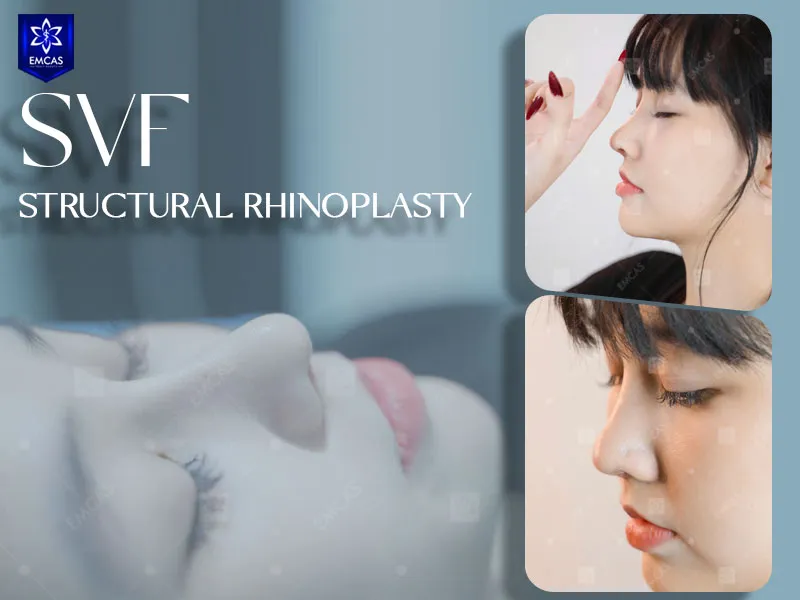
Structural rhinoplasty is a surgical approach that reshapes or reconstructs the nasal framework, including the bridge, columella and tip. Depending on the surgical plan, the surgeon may use autologous cartilage, a synthetic implant, or a combination of both to change nasal proportions and contours.
This approach allows the surgeon to address several structural concerns, such as a short or crooked nose, a previously operated nose, or a broad nasal tip. The procedure may involve adjusting bridge projection, supporting the columella, lengthening the nose or refining the tip, according to the patient's anatomy.
Because structural rhinoplasty may involve more extensive changes than a limited augmentation procedure, healing and swelling can take longer. Understanding the difference between early recovery and the gradual settling of the nasal contour can help set realistic expectations.
How Long Does Structural Rhinoplasty Take to Settle?
During the first few weeks after structural rhinoplasty, swelling can make the nose look wider or the tip appear larger and firmer than expected. These early changes do not necessarily reflect the eventual nasal shape.
As swelling decreases and the surrounding soft tissues heal, the nasal contour gradually becomes more defined. For a broader overview, see the rhinoplasty surgery and recovery timeline. The following is a general structural rhinoplasty settling timeline; individual results and healing rates vary:
- Weeks 1–3: Swelling is often still noticeable. The nasal tip may look enlarged and feel firm or tight during early healing.
- Weeks 4–6: Swelling may continue to decrease, the bridge can look more defined, and the tip may begin to appear less bulky.
- Months 2–3: The nasal contour may look more refined as the soft tissues continue healing. Some tip swelling or firmness may remain.
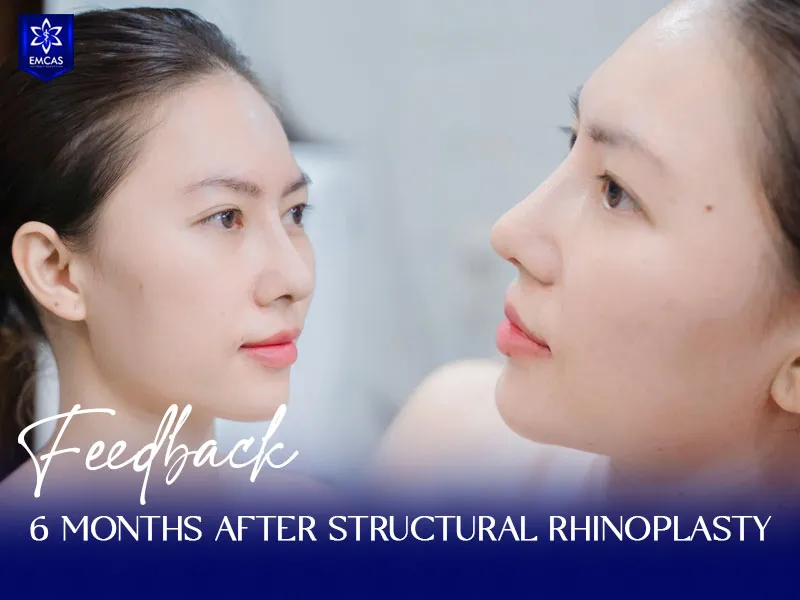
- Months 3–6: For many patients, the nose appears noticeably more settled and natural-looking, although this does not necessarily mean healing is complete.
People with thicker nasal skin, substantial tip tissue or a history of previous rhinoplasty may need 6–12 months or longer for further refinement. Residual swelling and subtle contour changes can continue for up to a year, so the final result should not be judged too early.

How Long Does It Take to Recover From Rhinoplasty?
The initial recovery period is different from the time it takes for the nose to settle fully. After structural rhinoplasty, the incision and early postoperative swelling may improve well before the tip and overall contour finish refining.
The following stages describe a typical recovery pattern, but the treating surgeon's instructions should always take priority:
- Stage 1 — Days 0–7: Swelling and discomfort are generally more pronounced. Rest, avoid strenuous activity and use cool compresses only as directed. Splint and suture removal depends on the surgical technique and the surgeon's assessment.
- Stage 2 — Weeks 2–4: Swelling often improves and some patients can resume work and routine daily activities. The nasal tip may still look slightly enlarged. Avoid pressing or manipulating the nose, and ask your surgeon when makeup and other activities are appropriate.
- Stage 3 — Week 5 onward: The tissues continue healing and the nasal contour gradually becomes clearer. More noticeable settling may occur over months 3–6, with additional refinement potentially continuing beyond this period.
Related topic: How long does nasal tip swelling last after rhinoplasty?
How Can You Support Healing and Help Your Nose Settle?
How quickly swelling improves depends on factors such as individual healing, tissue characteristics, the extent of surgery and postoperative care. Good aftercare can support the healing process, but it cannot guarantee that the nose will settle by a particular date.
If your nasal tip still feels firm or looks swollen, follow these general principles while prioritizing your surgeon's personalized recommendations:
1. Follow your surgeon's postoperative instructions
Keep your head elevated when resting, avoid sleeping in a position that places pressure on the nose, and limit strenuous activity during early recovery. Use cool or warm compresses only when and where your surgical team recommends them; do not apply pressure directly to the healing nose.
Attend scheduled follow-up visits so your surgeon can assess healing and respond to any unexpected changes. Contact the medical team if pain or swelling worsens rather than gradually improves.
2. Maintain a balanced diet to support tissue healing
Adequate nutrition supports the body's recovery after surgery. Include protein sources such as fish, chicken and eggs, along with vegetables, vitamin C-rich fruits such as oranges, pineapple and kiwi, and enough water for your needs.
Avoid alcohol during the early recovery period as advised by your surgeon. If spicy foods cause discomfort or trigger sneezing, consider limiting them. Specific foods should not be assumed to cause nasal scarring or delay healing without an individual medical reason.
Related topic: Can you eat bamboo shoots after rhinoplasty?
3. Be patient and avoid touching or pressing the nose
Repeatedly touching the nasal tip to check whether it has become smaller, or comparing your appearance with postoperative photographs only two or three weeks after surgery, may create unrealistic expectations. Excessive manipulation or pressure can also disturb healing tissues.
Allow the soft tissues to recover naturally, avoid unnecessary mechanical pressure, and use your scheduled reviews to discuss changes in swelling and nasal contour. The first few months can bring visible improvement, but refinement may continue for longer.
Understanding how long structural rhinoplasty takes to settle can help you plan aftercare and maintain realistic expectations. If you are considering rhinoplasty or have questions during recovery, contact the EMCAS medical team or visit EMCAS Aesthetic Hospital for guidance and a consultation.
EMCAS AESTHETIC HOSPITAL
Address: 14/27 Hoàng Dư Khương Street, Hòa Hưng Ward, Ho Chi Minh City, Vietnam
Hotline: 0903082836 – 0979223636
Website: https://www.emcas.vn/en
