


Please fill in the form below !

Rhinoplasty raises several timing questions: How long does the surgery take? When does swelling improve? And how long does it take for the nose to look more settled and natural? The answer varies depending on the rhinoplasty technique, the extent of surgery, individual healing and postoperative care. This guide from EMCAS Aesthetic Hospital explains the typical surgical and recovery timeline so you can prepare your schedule and set more realistic expectations before rhinoplasty.
How Long Does Rhinoplasty Take?
How long rhinoplasty takes depends on the procedure, the complexity of the nasal correction and individual healing. A general timeline may look like this:
- Surgery time: For procedures such as structural rhinoplasty, surgery may take approximately 90–150 minutes. Revision or more complex cases can take longer when scar tissue or previously altered nasal structures need to be addressed.
- Early recovery: Depending on the technique and healing progress, sutures or a splint may be removed during the early postoperative period. Noticeable swelling commonly improves over the following 2–3 weeks, although residual swelling can persist for longer.
- Longer-term settling: Over approximately 3–6 months, the nose may progressively look more refined and natural. Subtle swelling, particularly around the nasal tip, may continue to improve beyond this period depending on the procedure and individual healing.
In other words, the operation itself usually takes only a few hours, but rhinoplasty recovery is a gradual process. Many patients should think in terms of months rather than days when considering how the nose will settle and refine after surgery.
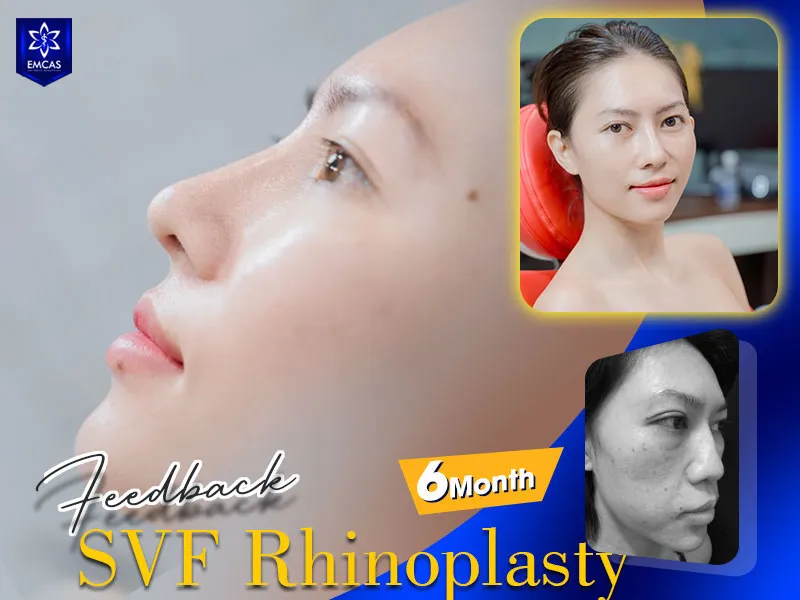
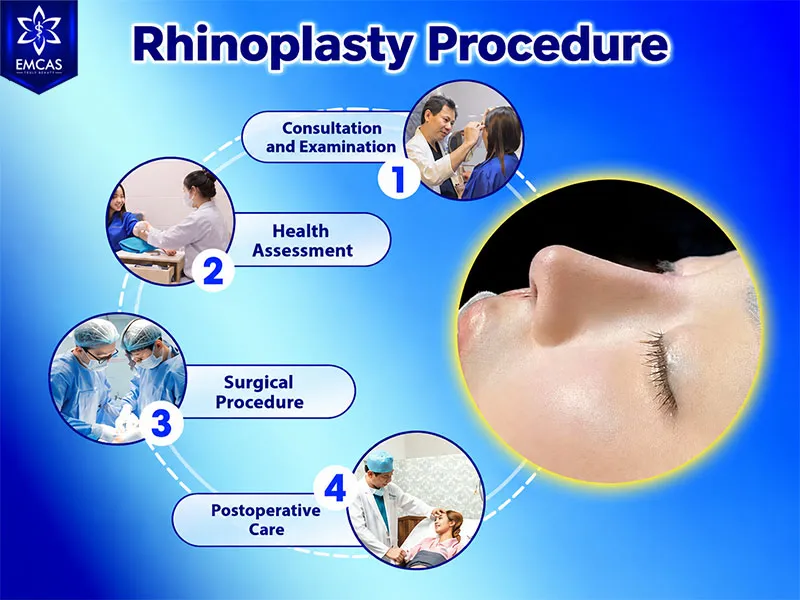
How Long Does Rhinoplasty Surgery Take? The 4-Step Process at EMCAS
Rhinoplasty at EMCAS follows a structured pathway that includes consultation, preoperative assessment, surgery and postoperative monitoring. The exact process may vary according to the patient's nasal anatomy and treatment plan.
1. Consultation and Individualized Planning
The surgeon assesses the nasal bridge, skin thickness, nasal tip, columella and overall nasal anatomy. Morpheus 3D imaging may be used to support assessment and visualization before an individualized surgical plan is discussed.
Your medical history, medication use, allergies, previous surgery and any history of problematic scarring are also reviewed. These factors help the medical team determine an appropriate rhinoplasty approach for your individual case.
2. Preoperative Health Assessment
Before surgery, preoperative checks may include blood tests, blood pressure measurement, an electrocardiogram and an anesthesia assessment. The required tests depend on your health status and the medical team's evaluation.
3. Rhinoplasty Surgery
The procedure is performed in an operating room using sterile surgical protocols. Depending on the extent of surgery and your medical assessment, the anesthesia team determines an appropriate anesthesia plan.
The surgeon then performs the planned nasal correction, which may involve creating the surgical access, reshaping or augmenting the bridge, supporting the columella and refining the nasal tip. The incisions are then closed with appropriate sutures.
4. Postoperative Monitoring and Care
After surgery, you are monitored in the postoperative recovery area. Before discharge, the medical team provides instructions on wound care, medication, activity restrictions and follow-up appointments.
At EMCAS Aesthetic Hospital, the rhinoplasty pathway includes surgical and anesthesia teams as well as postoperative monitoring. For many procedures, the surgical portion may take approximately 1.5–2.5 hours, although the actual duration depends on the complexity of the case and the surgical plan.
Read more: Rhinoplasty Procedure: 4 Key Steps at EMCAS
Signs of Abnormal Fluid Accumulation After Rhinoplasty
Postoperative swelling is expected after rhinoplasty, but persistent or unusual fluid accumulation around the operated tissues may require medical assessment. It may occur when fluid collects beneath the tissue during healing and should be evaluated if symptoms do not follow the expected recovery pattern.
Contact your medical team if you notice concerning changes such as:
- Swelling that remains pronounced or becomes worse rather than gradually improving after the early postoperative period.
- Unusual tightness, pressure or heaviness around the nose, particularly if the area feels abnormally soft or fluctuant.
- Unexpected skin-color changes around the operated area, especially when accompanied by increasing redness or inflammation.
- Persistent or worsening pain, particularly when it occurs together with increasing swelling, redness, drainage or other concerning symptoms.
Learn more about postoperative warning signs in our rhinoplasty risks and recovery guide.
How Long Does Nasal Tip Swelling Last After Rhinoplasty?
The nasal tip can look larger, firmer or less defined during early rhinoplasty recovery because postoperative swelling often persists in this area longer than in other parts of the nose. The timeline varies according to the surgical technique, skin thickness and individual healing.
- Weeks 1–2: Swelling can be noticeable and the nasal tip may feel relatively firm.
- Weeks 3–4: Swelling generally begins to decrease and the tip may gradually soften.
- Weeks 6–8: The nasal contour may look more refined as swelling continues to improve.
- From month 3 onward: The nasal tip may continue to become softer and more defined, although subtle swelling can persist for longer.
For some patients, especially after structural rhinoplasty or in people with thicker nasal skin, refinement of the tip can continue for six months or longer. This does not necessarily mean the nose is abnormal; rhinoplasty healing is gradual and should be assessed according to the individual surgical plan.
Related topic: How Long Does Nasal Tip Swelling Last After Rhinoplasty?

How Long Does Structural Rhinoplasty Take to Settle?
Structural rhinoplasty may involve more extensive reshaping of the nasal framework, including the bridge, columella and nasal tip. Because more tissue and structural work may be involved, swelling and refinement can take longer than after more limited procedures.
The table below provides a general recovery timeline. Individual healing may differ.
| Time After Surgery | Typical Changes |
| Weeks 1–2 | Swelling remains noticeable and the nasal tip may look larger or feel firm. Swelling around the eyes or nasal bridge may also be present. |
| Weeks 3–4 | Swelling generally continues to decrease. The nose may begin to feel softer and the overall contour becomes easier to see. |
| Weeks 6–8 | The nasal tip may appear more refined and the overall contour may become increasingly stable. |
| From month 3 onward | The nose generally continues to soften and refine, with a progressively more natural-looking contour. |
| Months 6–12 and beyond | Subtle swelling can continue to resolve as the nasal tissues and contour progressively mature. The final timeline varies by procedure and individual healing. |
For more information about the procedure itself, see EMCAS's structural rhinoplasty guide.

How to Care for Your Nose After Rhinoplasty
Appropriate postoperative care supports wound healing and protects the operated nasal structures during recovery. Follow the instructions provided by your surgeon because activity restrictions and care requirements vary according to the procedure performed.
1. Rest and daily activities
- Sleep on your back with your head elevated during the early recovery period if recommended by your surgeon.
- Avoid sleeping face-down or placing unnecessary pressure on the nose while the tissues are healing.
- Avoid strenuous exercise and activities that may increase the risk of impact or bleeding until your medical team says they are safe to resume.
- Avoid glasses that place pressure on the nasal bridge during early healing when instructed by your surgeon. Depending on the procedure, this may be several weeks.
2. Nutrition
- Maintain adequate hydration and eat a balanced diet containing sufficient protein, fruit, vegetables and other nutrient-rich foods to support general recovery.
- Avoid alcohol and smoking during the recovery period as instructed by your medical team. Follow any additional dietary restrictions specifically recommended for your case.
- Return to your usual diet according to your comfort, recovery progress and your doctor's postoperative instructions.
3. Wound care and medication
- Take prescribed medication exactly as directed by your doctor.
- Do not add or change medication without medical advice.
- Clean the surgical area using saline, gauze or other wound-care methods only as instructed by your medical team, and avoid unnecessary pressure on the nose.
- Suture and splint removal schedules vary by technique and healing progress. Attend your scheduled postoperative appointment rather than removing them yourself.
4. Follow-up appointments
Scheduled follow-up allows your surgeon to:
- Monitor your healing progress.
- Identify concerning changes such as persistent swelling, infection or nasal deviation.
- Adjust postoperative care instructions according to your recovery.
Follow-up timing is individualized. EMCAS may schedule postoperative reviews at several stages of recovery according to the procedure performed and the patient's healing progress.
So, how long does rhinoplasty take? The surgical procedure itself generally takes a few hours, but recovery continues well beyond the operating room. Swelling and visible changes improve gradually, and the nasal contour may continue to refine for several months or longer.
If you are considering rhinoplasty and have questions about surgery time, recovery or postoperative care, you can schedule a consultation with the medical team at EMCAS Aesthetic Hospital for an individualized assessment and treatment plan.
EMCAS AESTHETIC HOSPITAL
Address: 14/27 Hoàng Dư Khương Street, Hòa Hưng Ward, Ho Chi Minh City, Vietnam
Hotline: 0903082836 – 0979223636
Website: https://www.emcas.vn/en/