


Please fill in the form below !

A columellar strut graft is a technique used during rhinoplasty to provide structural support beneath the nasal tip. It may be considered in selected cases involving weak tip support, a short nose or changes after previous nasal surgery. In this article, EMCAS Aesthetic Hospital explains what a columellar strut graft is, its potential benefits and limitations, and what to consider before surgery.
What Is a Columellar Strut Graft in Rhinoplasty?
The nose plays an important role in facial balance and proportion. Nasal features such as a low bridge, an upturned or crooked nose, or a broad tip may lead some people to consider rhinoplasty.
Rhinoplasty can reshape selected parts of the nose to create a contour that better suits the face. When the nasal tip needs additional structural support, a surgeon may consider a columellar strut graft as one component of the surgical plan.
The columella is the tissue between the nostrils. A columellar strut graft is generally a shaped piece of cartilage positioned between the medial parts of the lower lateral cartilages to reinforce support beneath the nasal tip. It is a grafting technique used within rhinoplasty, rather than a separate procedure that can correct every nasal concern on its own.
Depending on the patient's anatomy and surgical goals, rhinoplasty may use autologous cartilage and, in other parts of the nasal reconstruction, synthetic implants. The surgeon selects and shapes the materials and adjusts the relevant nasal structures according to the treatment plan, with the aim of improving tip support and overall nasal harmony.
Whether columellar support is needed depends on the existing nasal framework and the changes being planned. An in-person examination is required to determine the most appropriate approach.
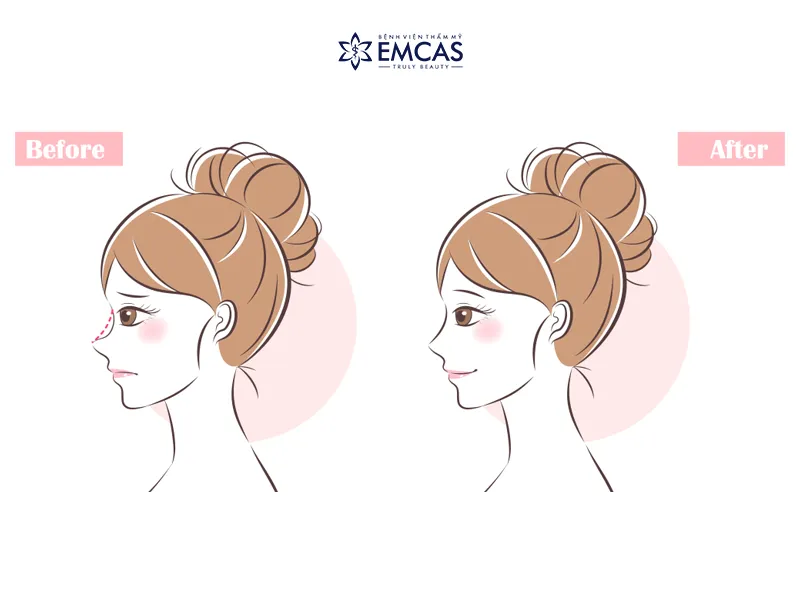
Advantages and Limitations of a Columellar Strut Graft
Potential Benefits
Additional support for the nasal tip: A columellar strut graft can help reinforce the tip-support framework. When combined with other planned rhinoplasty techniques, it may contribute to refinement of a low, broad, short or asymmetric nose. Concerns such as a dorsal hump or a deviated septum require separate assessment and may need other surgical steps.
- A more balanced nasal contour: Supporting the nasal tip may help the surgeon create a shape that appears more proportionate to the bridge and the rest of the face, depending on the overall surgical plan.
- Support for longer-term shape stability: Cartilage grafting may help maintain the intended tip position. However, long-term results can vary with anatomy, technique, healing and changes in the nasal tissues; a permanent result cannot be guaranteed.

Potential Limitations
- Potentially higher cost: If additional cartilage harvesting or more extensive structural correction is needed, the total rhinoplasty cost may be higher than that of a simpler procedure. The actual cost depends on the individual surgical plan.
- Greater surgical complexity in some cases: Structural reconstruction may require more operative planning and time, particularly when combined with other corrective steps. The procedure should be assessed and performed by an appropriately qualified surgeon.

Is a Columellar Strut Graft Right for You?
A columellar strut graft may be useful when additional nasal tip support is needed, but it is not necessary for everyone considering rhinoplasty. Suitability depends on nasal anatomy, the desired change, previous procedures and general health.
As with other surgical rhinoplasty techniques, there are costs, recovery requirements and potential complications to consider. The surgeon should explain the expected benefits and limitations for your particular case rather than assume one technique is suitable for all patients.
People who may benefit from an assessment include:
- People with limited nasal tip support or nasal shape concerns, such as a low, short, crooked or broad nose, when rhinoplasty is being considered.
- People seeking a nasal contour that is more proportionate to their facial features.
- People who meet the medical requirements for elective surgery following an appropriate health assessment. Existing cardiovascular, respiratory or blood-pressure conditions should be discussed with the treating medical team.
Before deciding on rhinoplasty with columellar support, consider:
- Your nasal anatomy and concerns: The surgeon needs to assess whether the concern involves the nasal tip, bridge, septum or several structures. A columellar strut graft is only one possible part of the treatment.
- Cost: More complex nasal reconstruction may be more expensive. Ask for an individualized quotation based on the recommended surgical plan.
- Surgery and recovery time: The duration of surgery and recovery depends on the extent of the procedure. Plan adequate time for rest and follow-up care as advised by your surgeon.
Most importantly, consult a qualified rhinoplasty surgeon. A clinical assessment can help determine whether a columellar strut graft or another nasal support technique is appropriate for your goals and anatomy.
What to Consider Before Columellar Strut Rhinoplasty
Rhinoplasty involving nasal tip support may improve the balance and contour of the nose in appropriately selected cases. Nevertheless, the decision should be made after understanding the proposed procedure, its limitations and the possible risks.
If you are considering a columellar strut graft, review the available information carefully and discuss your expectations and concerns with your surgeon. You should feel comfortable with the surgical plan and understand what the procedure can and cannot achieve.
Key considerations:
- Choose a qualified surgeon and an appropriately licensed medical facility: Review the surgeon's relevant experience, the facility's surgical standards and the available postoperative support before making a decision.
- Follow postoperative instructions: Taking medication as prescribed, protecting the nose and attending follow-up appointments can support recovery and help reduce avoidable complications, although they cannot eliminate every surgical risk.
Choosing the medical facility and surgical team is an important part of the overall treatment decision. Take time to compare your options and ask questions during the consultation.
EMCAS Aesthetic Hospital is a hospital-based aesthetic surgery provider in Ho Chi Minh City, Vietnam. Patients considering rhinoplasty can arrange a consultation to discuss nasal anatomy, available techniques and an individualized surgical plan.
EMCAS provides surgical facilities, medical equipment and a team involved in aesthetic surgery and patient care. The hospital aims to offer a clean, comfortable environment and support patients throughout consultation, treatment and recovery.
A columellar strut graft may be used during rhinoplasty to reinforce nasal tip support and contribute to a balanced nasal contour. Whether it is the right technique depends on your specific nasal structure and the surgeon's assessment. Contact EMCAS Aesthetic Hospital for an individual consultation before deciding on surgery.
Related reading: Learn about the rhinoplasty procedure at EMCAS, including key steps and postoperative care.
EMCAS AESTHETIC HOSPITAL
Address: 14/27 Hoang Du Khuong Street, Hoa Hung Ward, Ho Chi Minh City, Vietnam
Hotline: 0903 082 836 – 0979 223 636
Website: https://www.emcas.vn/en
