


Please fill in the form below !

Rhinoplasty results may last 20–30 years and, in some cases, may be lifelong, depending on the type of rhinoplasty surgery and a range of individual factors. In this guide, EMCAS Aesthetic Hospital explains how long rhinoplasty results may last, what can affect their longevity, signs that may indicate a need for revision, and how postoperative care can help maintain a stable nasal shape over time.
How Long Does Rhinoplasty Last?
Rhinoplasty results may remain stable for 20–30 years and, in some cases, may be lifelong. How long the result lasts can depend on factors such as the rhinoplasty technique, the surgeon's expertise, the type of cartilage or implant used, individual tissue characteristics, and postoperative care.
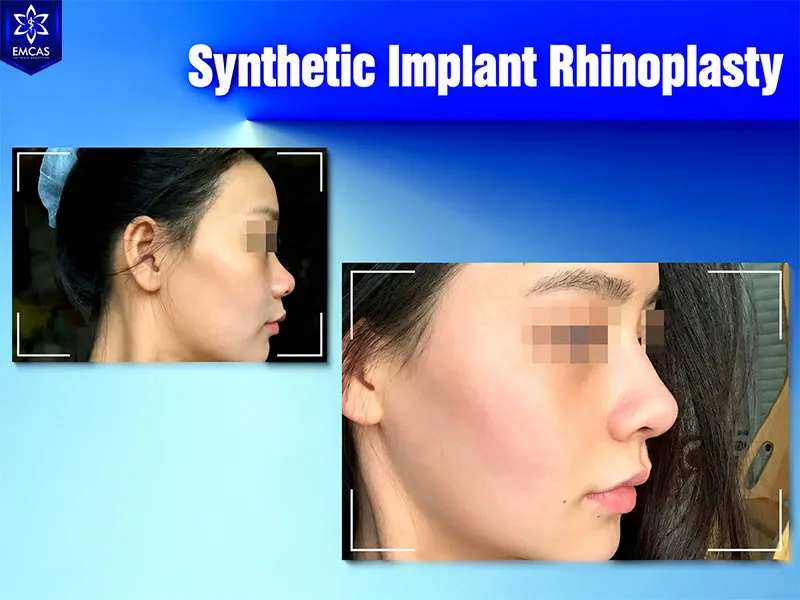
Non-surgical rhinoplasty results generally last for a shorter period, typically around 1–2 years according to the original EMCAS guidance. Surgical rhinoplasty using a synthetic implant may last around 10–15 years, while approaches using autologous cartilage may provide results lasting up to 20 years.
People whose tissues heal well and who do not develop problems related to the selected material may maintain a stable nasal shape for longer. Choosing an appropriately qualified surgeon and medical facility, together with following postoperative care instructions, can also influence the stability and long-term appearance of the nose after rhinoplasty.
5 Factors That Can Affect Rhinoplasty Longevity
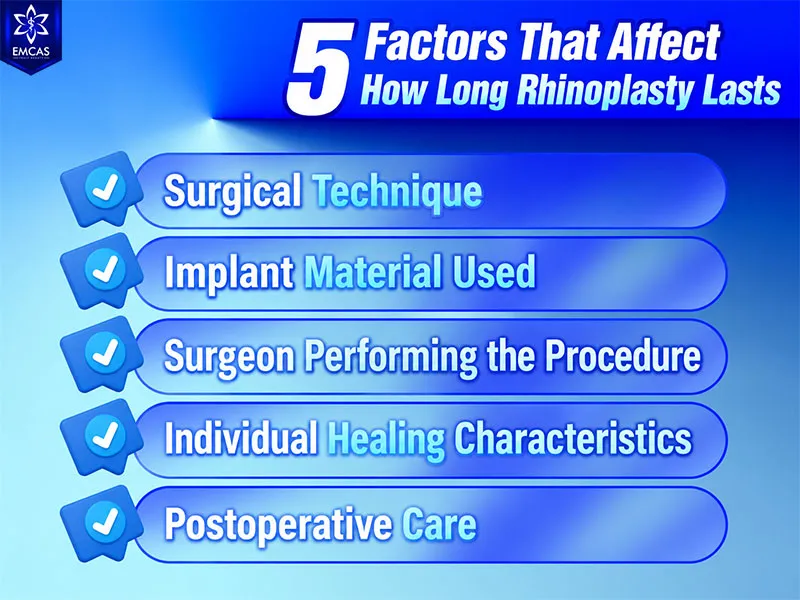
How long rhinoplasty lasts and whether the result can remain stable for life are common questions among people considering nose surgery. In practice, rhinoplasty longevity can vary from person to person and may be influenced by several factors:
- Rhinoplasty technique: Non-surgical rhinoplasty may maintain results for approximately 6–24 months. Surgical approaches such as structural rhinoplasty, SVF rhinoplasty, autologous cartilage rhinoplasty, and rhinoplasty with synthetic implants may provide results lasting approximately 10–20 years.
- Cartilage or implant material: Autologous cartilage, such as ear or rib cartilage, has a high degree of biological compatibility and may reduce concerns related to foreign-material rejection or allergy. According to the original EMCAS guidance, results may last around 15–20 years and, in some cases, may be lifelong with appropriate care. Synthetic implants may be more affordable in some treatment plans, while the original guidance states that results commonly last around 10–15 years.
- Surgeon expertise: Choosing a surgeon with appropriate training, technical expertise, and experience can support precise surgical planning and execution, which may contribute to a stable, natural-looking result over time.
- Individual tissue response: Healing and tissue response vary from person to person. People who heal well and do not develop inflammation, sensitivity, or problems related to the selected implant or graft may maintain a stable result for longer.
- Postoperative care: Following postoperative instructions, avoiding impact or pressure on the nose, limiting excessive bending during early recovery, and keeping the surgical area clean can support healing and help the nose stabilize after surgery.
5 Signs You May Need Revision or Nasal Implant Removal
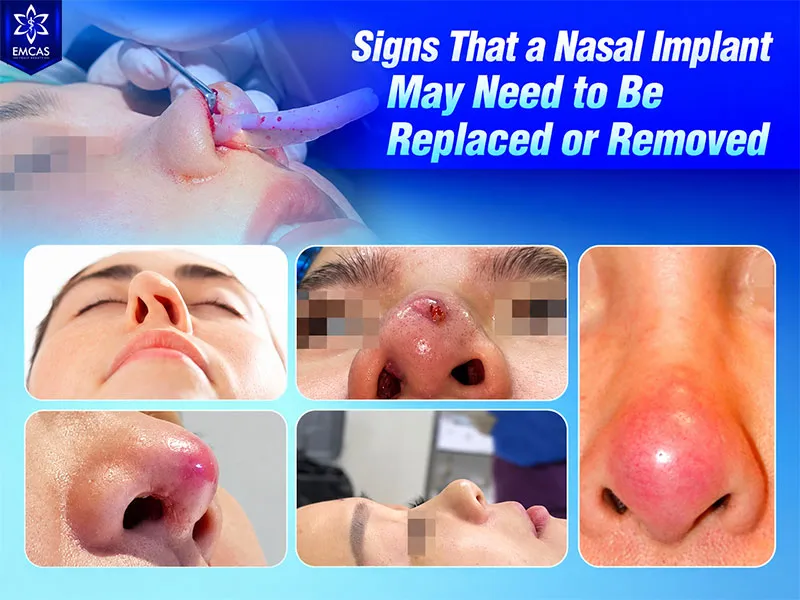
Although rhinoplasty can provide long-lasting aesthetic changes, some patients may later develop concerns that require medical assessment. Rather than assuming that every rhinoplasty needs to be removed or replaced after a fixed number of years, it is important to watch for changes in the shape of the nose, persistent symptoms, or problems involving an implant or graft. The following signs should be assessed by a qualified doctor:
- The nose becomes visibly distorted, no longer appears straight, shifts to one side, or changes noticeably compared with its previous shape.
- Swelling, redness, or pain persists without improvement or repeatedly returns after rhinoplasty.
- An implant or graft becomes visible or begins to protrude. You may notice a hard area beneath the skin, visible implant edges, shiny or red nasal skin, or in more severe cases, skin breakdown.
- Persistent aching, tightness, or discomfort continues beyond the expected recovery period and does not improve. This may sometimes be accompanied by numbness or altered sensation around the nasal tip.
- The implant or graft appears displaced, the nasal bridge becomes lower, or the nose loses its previous shape.
If you experience one or more of these signs, arrange an assessment at an appropriately licensed medical facility so a doctor can examine the nose and determine whether treatment or revision is needed.
How to Help Maintain Rhinoplasty Results
Postoperative care is an important part of protecting the nose during recovery and supporting a stable long-term result. The following measures can help you care for your nose after rhinoplasty:
- Follow your surgeon's instructions and avoid impact, heavy pressure, or strong force on the nose. Avoid sleeping face down and limit wearing glasses for approximately the first month, or for the period recommended by your surgeon.
- Keep the nasal area clean as instructed, protect the surgical site from unnecessary water or dirt during early recovery, and limit direct sun exposure during the first few days.
- Take prescribed medication exactly as directed and attend scheduled follow-up appointments so your recovery can be monitored and any unusual signs can be assessed promptly.
- Maintain a balanced postoperative diet with adequate nutrients to support recovery. Protein-rich foods, vitamins, and a varied diet can help provide the nutrients your body needs while tissues heal.
- Choose an appropriately licensed medical facility and a surgeon with relevant training and experience so that the rhinoplasty technique and treatment plan can be selected according to your individual anatomy.
- Undergo appropriate medical assessment and discuss your health with your doctor before surgery. This allows the medical team to identify situations in which rhinoplasty may need to be postponed or avoided and to determine which approach may be suitable for you.
So, can rhinoplasty last a lifetime? In some cases, long-term results may remain stable for many years or even be lifelong, depending on the technique, individual anatomy, healing, and postoperative care. Choosing an appropriate procedure and working with qualified medical professionals are important parts of treatment planning. Understanding how long rhinoplasty lasts, the factors that can affect long-term results, and the warning signs that deserve medical attention can help you make a more informed decision about rhinoplasty.
Read more: How Much Does Rhinoplasty Cost? See the latest rhinoplasty price guide from EMCAS.
EMCAS AESTHETIC HOSPITAL
Address: 14/27 Hoàng Dư Khương Street, Hòa Hưng Ward, Ho Chi Minh City, Vietnam
Hotline: 0903082836 – 0979223636
Website: https://www.emcas.vn/en