


Please fill in the form below !

Fluid buildup after rhinoplasty can occur when fluid collects beneath the tissues around the surgical area. A collection of serous fluid is called a postoperative seroma, but ordinary swelling or nasal drainage does not, by itself, confirm this diagnosis. Although some swelling and minor drainage can be expected during early recovery, persistent or worsening swelling, pain, or unusual discharge needs medical assessment. In this article, EMCAS Aesthetic Hospital explains the possible signs, causes, and management of fluid buildup after rhinoplasty.
3 Signs That May Suggest Fluid Buildup After Rhinoplasty
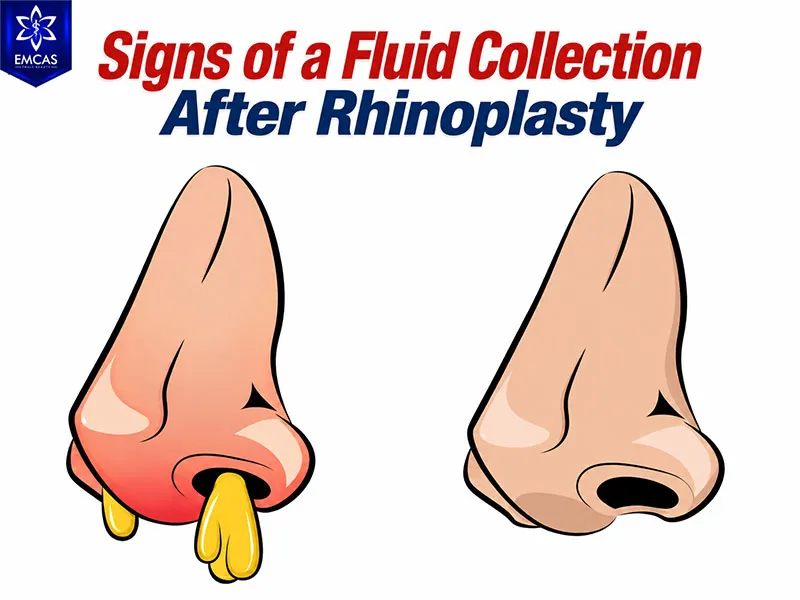
A seroma is a pocket of fluid that can develop under the skin after surgery. The fluid is generally clear to pale yellow. Thick, cloudy, or foul-smelling discharge is different and may indicate infection rather than an uncomplicated seroma.
Three postoperative changes deserve attention. None can establish the presence of a seroma without an examination by the treating surgeon:
- Swelling or bruising around the nose: Swelling and bruising are common during the first few days after rhinoplasty. However, a localized bulge, swelling that increases rather than improves, or an unusual change in nasal shape should be assessed.
- Persistent tightness, pressure, or aching: Fluid accumulating beneath the skin may cause a feeling of tension or discomfort. If pressure or pain persists or becomes worse, contact your surgical team instead of assuming it is a normal part of recovery.
- Unusual drainage, color, or odor: Thick yellow or cloudy fluid, an unpleasant odor, or discharge accompanied by increasing pain may signal a postoperative infection. These symptoms should prompt medical assessment rather than repeated cleaning alone.
Related reading: Does Rhinoplasty Hurt?
What Causes Fluid Buildup After Rhinoplasty?
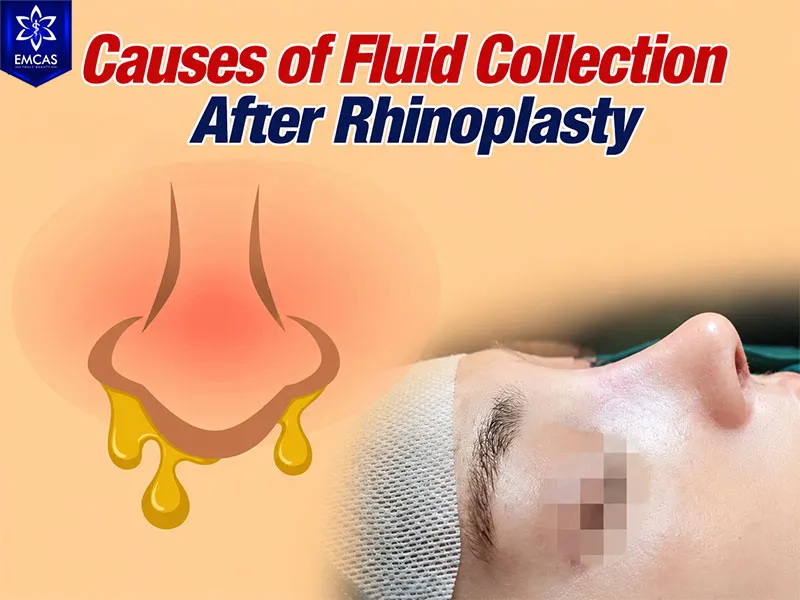
Postoperative fluid can collect in spaces created when tissues are separated or injured during surgery. The reason for a new swelling or drainage cannot be determined by symptoms alone; the surgeon may need to distinguish normal postoperative swelling from a seroma, a blood collection, or infection.
Factors discussed in the original EMCAS guidance include:
- Individual healing response: Recovery differs from person to person. Some patients experience more prolonged swelling or bruising than others. Slow healing or a previous postoperative problem should be discussed with the surgeon, but it does not automatically mean a seroma is present.
- Surgical tissue dissection: During rhinoplasty, the surgeon works through skin and soft tissue to access the nasal structures. The healing response can produce tissue fluid, which may accumulate in a space left beneath the skin.
- Inappropriate postoperative care: Poor wound hygiene, not following dressing instructions, or taking medications differently from the prescribed regimen may interfere with recovery. Follow the individualized aftercare plan instead of adjusting medication or wound care on your own.
- Early physical strain or injury: Strenuous exercise, forceful nose blowing, bending forward, pressure on the nose, or accidental impact during early healing may irritate the operated tissues and contribute to postoperative swelling or bleeding.
At EMCAS Aesthetic Hospital, the surgical team evaluates the patient and the complexity of the planned rhinoplasty procedure and provides postoperative monitoring and care instructions. These steps are intended to help recognize and reduce avoidable risks during recovery.
Related reading: How to Choose a Rhinoplasty Clinic in Ho Chi Minh City
How Is Fluid Buildup After Rhinoplasty Managed?
If you suspect fluid has collected beneath the skin after rhinoplasty, contact your treating surgeon. Management depends on the findings, including the size of any collection, symptoms, and whether there are signs of bleeding or infection. Home care may support normal healing, but it is not a substitute for assessment of a suspected complication.
The following measures relate to postoperative care and possible medical treatment:
- Use warm compresses only if your surgeon advises: The original postoperative guidance mentions gentle warmth from around day five. Whether this is suitable depends on your recovery. Avoid high temperatures and direct pressure on the operated nose. Warm compresses should not be treated as a way to drain a confirmed fluid collection.
- Keep the surgical area clean as instructed: Wash your hands before wound care. Use sterile saline and change dressings only according to your surgical team's directions, taking care not to disturb stitches or the nasal splint. Do not follow a fixed dressing-change frequency unless it was prescribed for you.
- Avoid touching or putting pressure on the nose: Do not rub, press, massage, or manipulate the healing nose. Avoid strenuous exercise, excessive bending, forceful nose blowing, and activities that risk accidental impact during the period advised by your surgeon.
- Seek medical evaluation if drainage is needed: A clinician may consider sterile needle aspiration for a confirmed fluid collection when clinically appropriate. Not every collection requires aspiration, and the procedure has potential risks. Never attempt to puncture or drain the nose yourself.
Related reading: Rhinoplasty Procedure and Postoperative Care Guide
Contact your surgeon promptly if swelling or pain is getting worse, the nose develops unusual redness or warmth, or you notice cloudy or foul-smelling drainage. Seek urgent medical attention for severe pain, fever, significant bleeding, or difficulty breathing. EMCAS Aesthetic Hospital can assess postoperative concerns and advise on the next steps.

Fluid buildup after rhinoplasty should not be judged by swelling alone. Early recognition of unexpected changes, following the surgeon's instructions, and arranging an appropriate examination can help protect recovery and the planned nasal result.
Choosing a qualified surgical team and keeping your follow-up appointments are important parts of rhinoplasty care. If you are concerned about your recovery, contact the EMCAS medical team for an assessment tailored to your condition.
EMCAS AESTHETIC HOSPITAL
Address: 14/27 Hoang Du Khuong Street, Hoa Hung Ward, Ho Chi Minh City, Vietnam
Hotline: 0903082836 – 0979223636
Website: https://www.emcas.vn/en
