



Please fill in the form below !

Women’s nose shapes and meanings have long been discussed in traditional East Asian physiognomy. In these traditions, the shape of a woman’s nose is sometimes interpreted as a symbol of personality, fortune, relationships and life circumstances. In the guide below, EMCAS Aesthetic Hospital explains how different nose shapes are traditionally interpreted in face reading, including broad or bulbous tips, smaller noses and other commonly discussed nose types. These interpretations belong to traditional physiognomy and should not be treated as scientific predictions of personality or destiny.
Women’s Nose Shapes in Traditional Face Reading
Reading women’s nose shapes is a familiar part of traditional physiognomy, a cultural practice that associates facial features with personality and fortune. Within that belief system, the nose is often interpreted as a symbol of personal strengths, challenges, relationships and financial luck. These ideas are cultural interpretations rather than evidence-based assessments.
Read more: Men’s nose shapes in face reading – traditional meanings and fortune interpretations
5 Nose Shapes Traditionally Associated With Luck and Prosperity
In traditional face reading, certain nose shapes are regarded as more auspicious than others and are associated with favorable qualities such as prosperity, stability or leadership. The descriptions below explain these beliefs while also noting the visible features that define each nose shape.
1. Straight, High-Bridge Nose
A straight, high-bridge nose has a relatively high, straight bridge and a softly rounded tip. Aesthetically, this shape is often associated with a refined, balanced facial profile.
In traditional physiognomy, this nose shape is said to represent intelligence, kindness, favorable fortune and good prospects at work. From an aesthetic perspective, a straight, high bridge with a rounded tip is commonly valued in many East Asian beauty standards for its soft and balanced appearance.
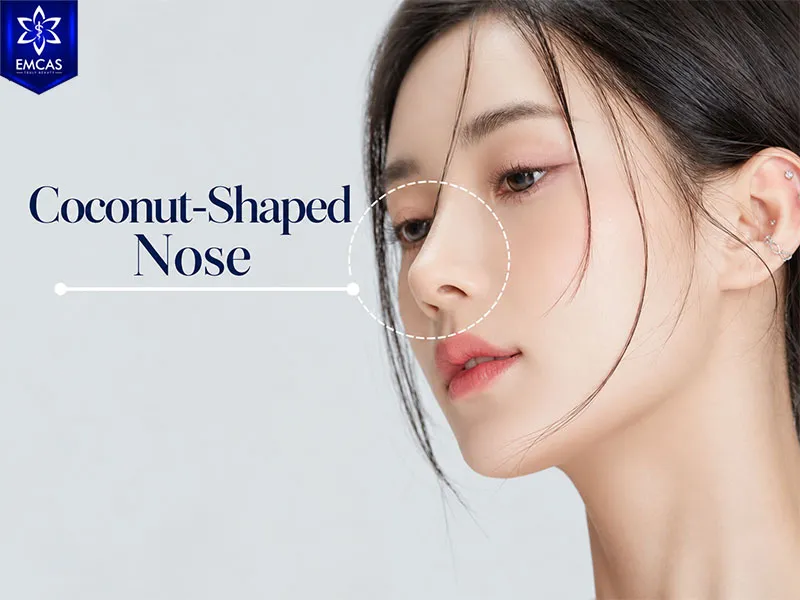
2. Fleshy, Broad-Tip Nose
A fleshy, broad-tip nose has a moderately high bridge, a large rounded tip and broad, full alae. In traditional face reading, this fuller nose shape is often associated with prosperity and good fortune.
Traditional face reading describes women with this nose shape as being capable of accumulating wealth, enjoying greater stability later in life and bringing favorable fortune to the family. Aesthetically, its fuller proportions can create a mature, steady and distinctive facial impression.
3. Dragon Nose
The dragon nose is a traditional physiognomy term for a prominent nose with a high, long and straight bridge, a full rounded tip and evenly developed alae. In face-reading traditions, it is considered a rare and auspicious shape associated with authority, intelligence and prosperity.
Traditional interpretations describe this nose as a sign of decisiveness, leadership and strong career potential. Aesthetically, its defined bridge and fuller structure can create a prominent, confident and distinctive profile.
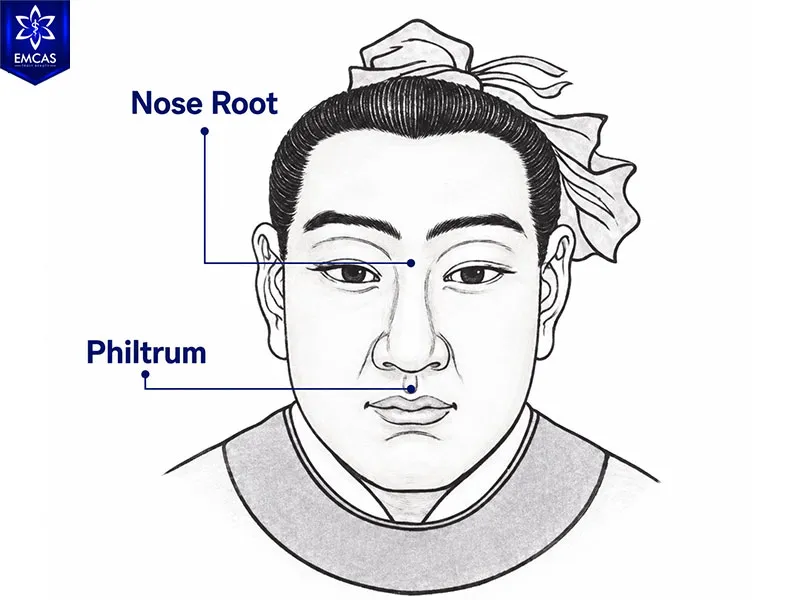
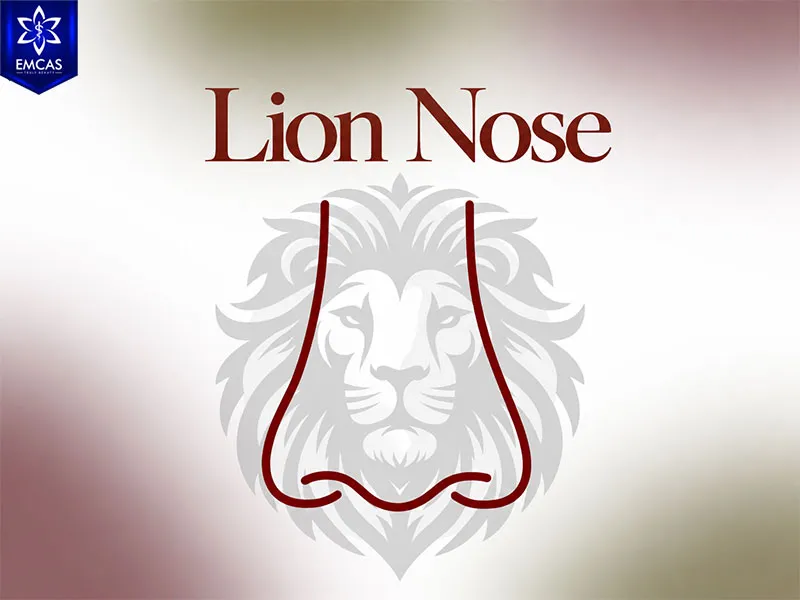
4. Lion Nose
In traditional face reading, the lion nose is associated with strength, authority and financial potential. This nose is typically described as having a prominent bridge, a large nasal tip that is rounded and full, together with broad, thick alae.
Within physiognomy and related folk beliefs, the lion nose is traditionally linked to determination, leadership and the possibility of career success. From an aesthetic perspective, its broad and substantial form can create a strong, mature and commanding facial impression.
5. Hanging Gallbladder Nose
The hanging gallbladder nose is a recognized term in traditional Chinese face reading. It is typically described as having a large, rounded and fleshy tip, with thick, full alae that give the lower part of the nose a soft and substantial appearance.
In traditional physiognomy, this nose is considered an auspicious “wealth nose” and is associated with financial management, career success and long-term prosperity. Aesthetically, its appeal comes from fullness and softness rather than a narrow or sharply defined profile.
5 Nose Shapes Traditionally Considered Less Auspicious in Face Reading
Traditional physiognomy also describes several nose shapes as less auspicious, including an uneven or interrupted bridge, a crooked nose, an upturned nose, a flat nose and a hawk nose. Older face-reading traditions may associate these features with challenges involving wealth, relationships or life stability. These are traditional beliefs, not reliable predictions about a person’s character or future.
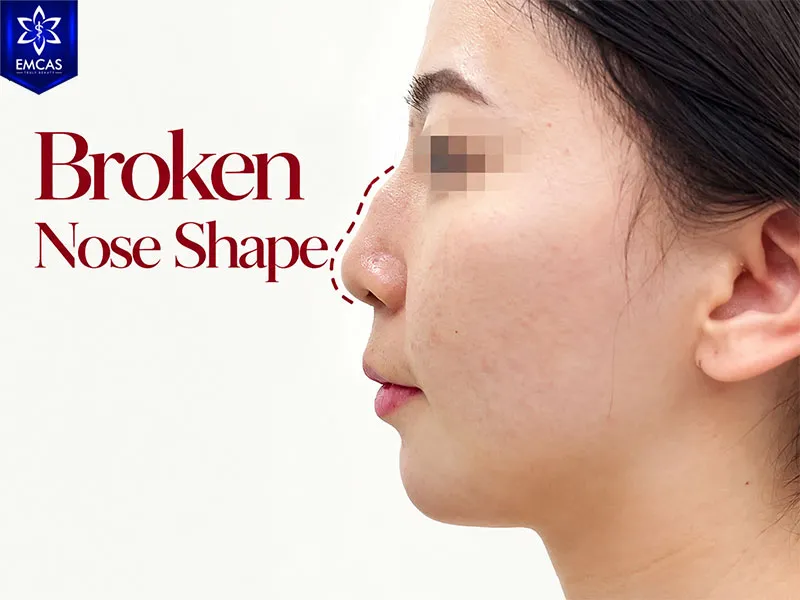
1. Uneven or Interrupted Nasal Bridge
This nose shape is characterized by a bridge that appears interrupted, angled or uneven rather than forming a continuous straight line. In traditional physiognomy, it is often classified as a less favorable nose shape.
Traditional readings associate an uneven bridge with periods of instability and possible difficulties involving finances or relationships. Aesthetically, an irregular bridge can also affect the perceived symmetry and balance of the facial profile.
2. Crooked or Asymmetrical Nose
A crooked or asymmetrical nose has a bridge or nasal axis that deviates noticeably to one side, which may make the face appear less symmetrical. In traditional face reading, this shape is sometimes associated with career obstacles, indecision and unstable financial fortune.
Older physiognomy traditions may also connect this feature with relationship or marriage difficulties. From an aesthetic standpoint, visible asymmetry can influence overall facial balance and may be a concern for people who prefer a straighter nasal profile.
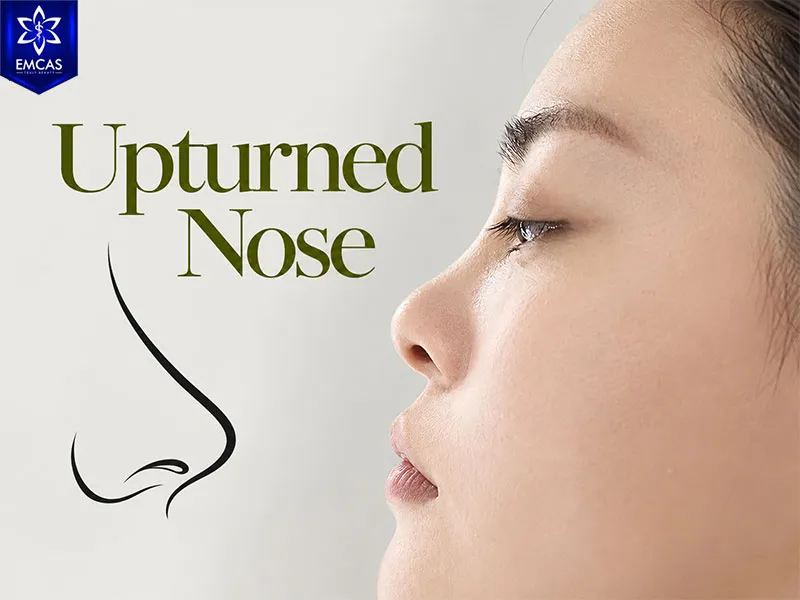
3. Upturned Nose
An upturned nose has a relatively short nasal tip that rotates upward, making the nostrils more visible from the front. Traditional physiognomy sometimes places this shape among less auspicious nose types, while aesthetically it creates a shorter and more lifted nasal profile.
According to traditional face-reading beliefs, women with an upturned nose may be described as having more difficulty with social relationships or romantic stability. These interpretations are cultural beliefs rather than evidence-based personality assessments. Aesthetically, the effect of an upturned tip depends on the proportions of the nose and the rest of the face.
4. Flat or Low-Bridge Nose
In traditional women’s face reading, a flat nose is sometimes classified as less auspicious. This shape is characterized by a low nasal bridge with relatively limited projection, and the tip or alar contours may appear less defined.
Traditional physiognomy may associate a flat or low-bridge nose with greater challenges in career development, support from others or relationships. From an aesthetic perspective, a low bridge changes facial projection and balance, but it is a normal anatomical variation and is not inherently better or worse than other nose shapes.
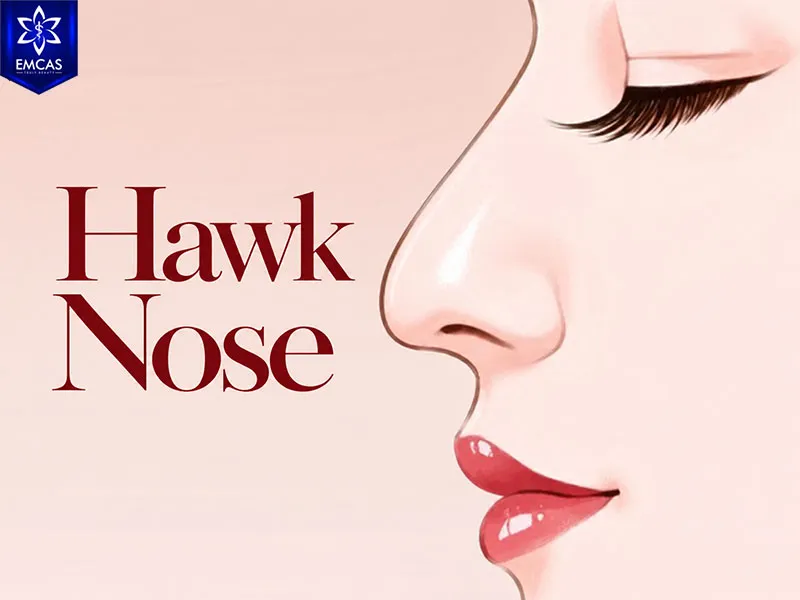
5. Hawk Nose
A hawk nose typically has a high, long bridge and a tip that curves downward, creating a profile reminiscent of a bird’s beak. In traditional women’s face reading, this nose is sometimes interpreted as a sign of a strong or uncompromising personality.
Traditional interpretations describe women with a hawk nose as ambitious and analytical, while also suggesting that a forceful temperament may create interpersonal challenges. Aesthetically, its pronounced bridge and downward-curving tip produce a strong profile that may or may not match an individual’s preferred facial proportions.
Options for Changing or Refining Nose Shape
In traditional physiognomy, a balanced nose is often associated with favorable fortune, while in aesthetics the nose contributes to overall facial proportion and profile. However, standards of beauty are subjective, and natural nose shapes vary widely from person to person.
Some people may feel self-conscious about features such as an upturned tip, nasal asymmetry, a broad tip or a low bridge. Depending on the goal, options range from makeup techniques that change visual perception to medical aesthetic procedures that alter nasal shape more directly.
Non-Surgical and Non-Invasive Approaches
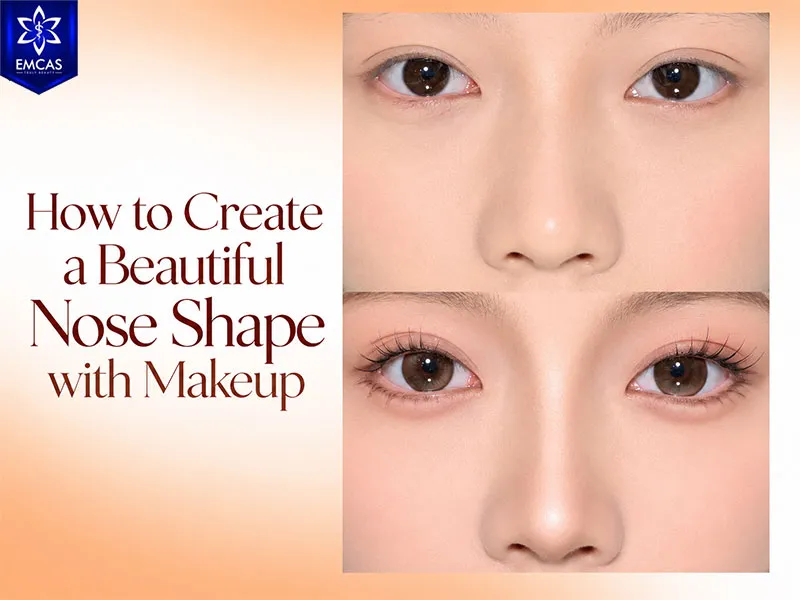
For people who do not want surgery, makeup and contouring can create the visual impression of a higher bridge or a more defined nasal tip without changing the underlying anatomy.
Some people also try nose massage, pressing or nose-stroking exercises. However, these methods do not permanently reshape the bone or cartilage of the nose. Their cosmetic effect, if any, is limited compared with medical procedures that directly alter nasal structure.
Rhinoplasty
In traditional face reading, a high, refined and balanced nose is often regarded as auspicious. For people who want a more noticeable and lasting change in nasal shape, rhinoplasty is a surgical option that can reshape the nose more directly and durably.
At EMCAS Aesthetic Hospital, people considering nose reshaping can be assessed by the EMCAS medical team, who can evaluate nasal anatomy, discuss aesthetic goals and recommend an appropriate treatment plan.
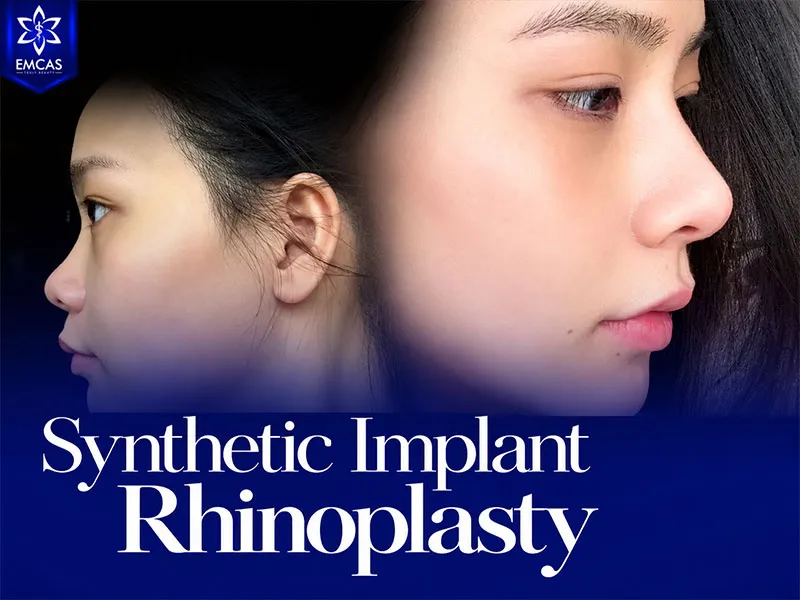
EMCAS Aesthetic Hospital offers several rhinoplasty approaches, including structural rhinoplasty, autologous cartilage rhinoplasty, rhinoplasty with synthetic implants and SVF-assisted rhinoplasty. The appropriate technique depends on nasal anatomy, individual goals and the doctor’s assessment. Contact EMCAS for consultation and personalized guidance.
Face reading—whether discussing women’s or men’s nose shapes—should not be used to determine a person’s future, social value or character. It is best understood as a traditional cultural belief system. Regardless of nose shape, a person’s life outcomes depend on many real-world factors, including choices, effort, circumstances and relationships.
EMCAS AESTHETIC HOSPITAL
Address: 14/27 Hoang Du Khuong Street, Hoa Hung Ward, Ho Chi Minh City, Vietnam
Hotline: 0903082836 – 0979223636
Website: https://www.emcas.vn/en