



Please fill in the form below !

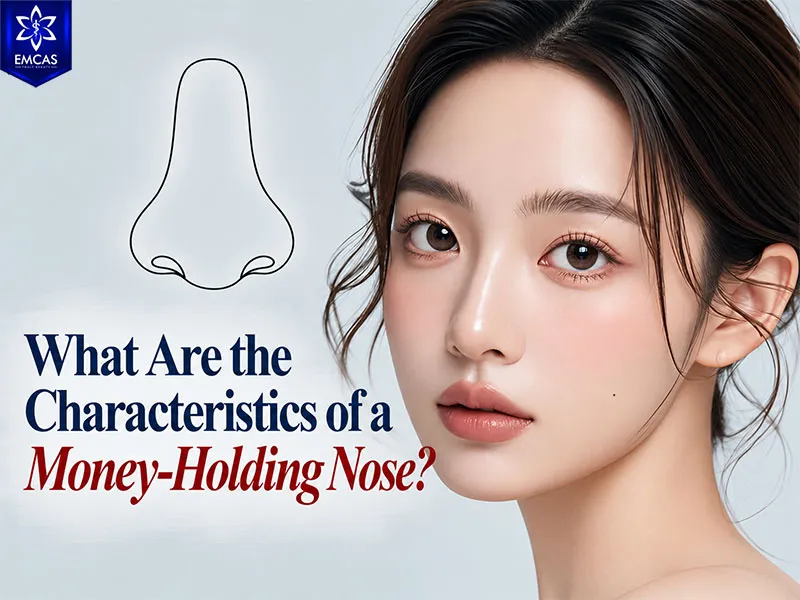
A wealth nose is a term used in traditional East Asian face reading for a nose shape believed to symbolize financial fortune, the ability to save money, and long-term prosperity. What features are traditionally associated with a wealth nose, which nose shapes are considered auspicious, and can the shape of your nose really predict financial success? EMCAS Aesthetic Hospital explores these cultural beliefs and their limitations below.
What Are the Features of a Wealth Nose?
In traditional Chinese face reading, the nose is associated with the Wealth Palace, a symbolic area linked to financial fortune, money management, and material stability. The idea of a “wealth nose” refers to nasal features that are traditionally believed to help a person attract, accumulate, and retain wealth. These are cultural interpretations rather than scientifically established connections.
A nose traditionally described as a wealth nose may have the following characteristics:
- A high, straight, well-defined bridge: traditionally associated with ambition and favorable career prospects.
- Full, moderately broad nasal wings: believed to symbolize the ability to manage finances and retain wealth.
- A rounded, fleshy nasal tip: traditionally linked to a calm, practical outlook and careful decision-making.
- Nostrils that are less visible from the front: interpreted in older face-reading traditions as a sign that wealth is less likely to “flow away.”
- Even-looking skin and a smooth nasal contour: symbolically associated with favorable vitality and stable fortune.
These descriptions reflect traditional East Asian physiognomy and should not be used to judge anyone's actual earning ability, character, or future. Financial well-being depends on many factors, including circumstances, knowledge, opportunities, effort, and financial decisions—not the shape of the nose.
6 Nose Shapes Traditionally Associated With Wealth and Prosperity
In East Asian face-reading traditions, several recognizable nose shapes are associated with good fortune, professional success, or a prosperous later life. The following six descriptions apply to both women and men in traditional interpretations. Their names are cultural categories, not distinct medical classifications of nasal anatomy.
1. Straight, Well-Proportioned Nose
A straight nose, well-proportioned nose has a relatively high, even bridge, softly shaped nasal wings, and a rounded tip. This shape is often appreciated for its balanced, refined appearance. In traditional face reading, it is also associated with favorable financial prospects, careful money management, and the ability to accumulate savings over time.
2. Hanging Gallbladder Nose
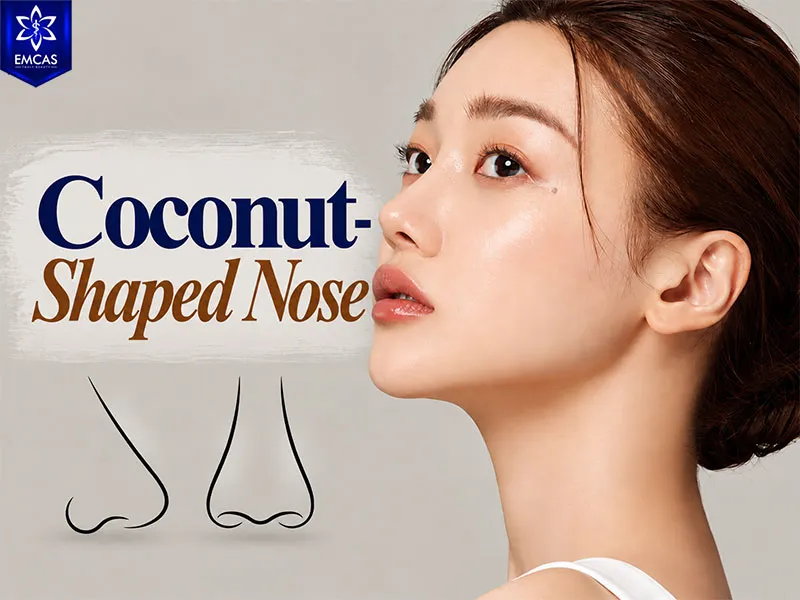
The hanging gallbladder nose is traditionally described as having a bridge that is not especially high, a full, rounded nasal tip, and broad, fleshy nasal wings. Its name comes from a resemblance to a hanging gallbladder in classical face-reading descriptions. It is commonly viewed as an auspicious wealth nose, symbolizing financial stability, the ability to save, and long-term planning.
3. Dragon Nose
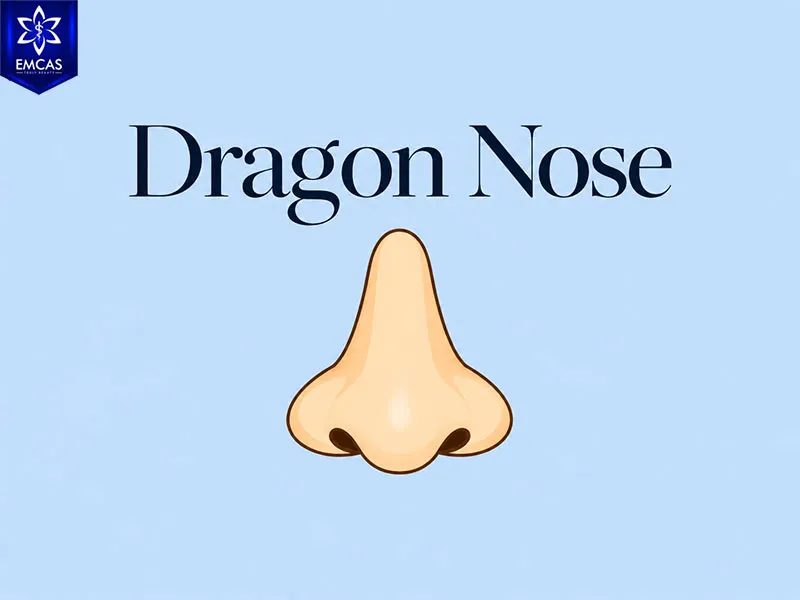
A dragon nose is described as having a high, straight bridge, thick nasal wings, and a broad, rounded tip. Its prominent shape may create a strong, dignified facial profile. Traditional physiognomy associates the dragon nose with prosperity, authority, leadership, and the ability to recognize opportunities and manage money.
4. Qilin Nose
A qilin nose, named after the auspicious mythical creature in East Asian culture, is traditionally described as having a large, rounded tip, thick and broad nasal wings, and a substantial overall appearance. In folk physiognomy, this nose is associated with good fortune, practicality, a steady temperament, and the ability to accumulate assets. Descriptions of the qilin nose and lion nose may overlap between traditions; they should not be treated as medically separate nose types.
5. Lion Nose
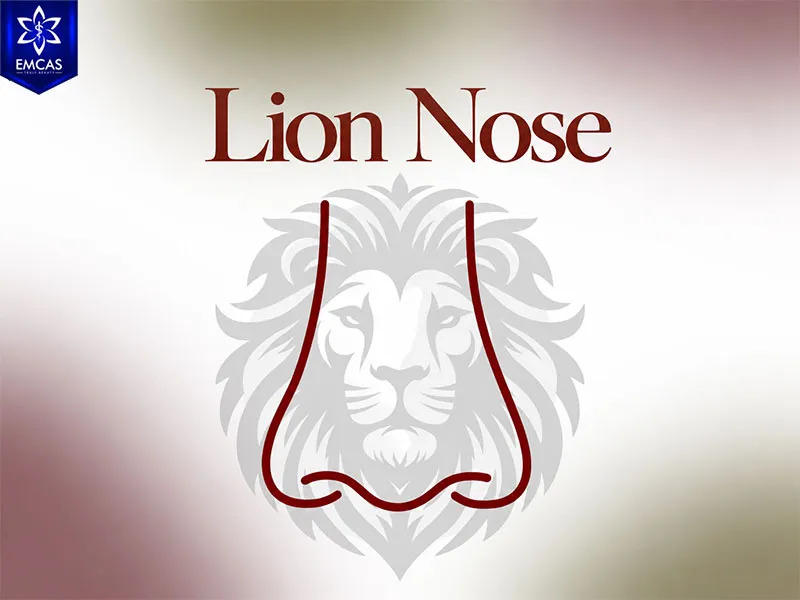
A lion nose usually has a large nasal tip, thick wings, and a relatively moderate bridge, producing a strong and broad appearance. In face-reading traditions, it is symbolically linked to decisiveness, leadership, business fortune, and the ability to preserve wealth. These personality and financial associations are traditional beliefs, not reliable conclusions about a person.
6. Garlic Nose
A garlic nose has a bulbous, rounded tip and broad, full nasal wings, giving the lower nose a shape sometimes compared to a garlic bulb. Although it may not fit every conventional aesthetic preference, traditional face reading associates this shape with practical money management, steady savings, and financial responsibility. Individual preferences about nasal appearance vary, and this shape is not inherently unattractive.
Nose Shapes Traditionally Viewed as Less Favorable for Wealth
Some traditional interpretations also describe certain nose shapes as less auspicious for financial stability or career fortune. The descriptions below summarize those beliefs, not facts about the people who have these features:
- Upturned nose: A short nose with an upward-rotated tip and nostrils that are visible from the front. Some folk beliefs associate this appearance with money being spent or lost easily.
- Hooked nose (hawk nose): A prominent or curved bridge with a tip that turns downward. Older face-reading interpretations sometimes connect this shape with financial setbacks or career uncertainty.
- Flat nose (low nasal bridge): A nose with relatively little bridge projection. In some folk interpretations, it is associated with slower career progress or financial difficulties.
- Very small nose with thin nasal wings: Traditionally interpreted by some as a sign of difficulty saving or accumulating money.
- Crooked or deviated nose: A nasal axis that is visibly off-center. Some traditions associate asymmetry with obstacles at work or in social relationships. A deviated septum is an anatomical condition and does not indicate anyone's fate.
These judgments are part of traditional folklore. Nose shape is not a valid basis for assessing a person's abilities, morality, financial prospects, or worth. A naturally flat, crooked, small, or upturned nose does not mean someone is destined to struggle financially.
Can a Wealth Nose Really Help You Keep Money?
According to traditional face reading, a straight bridge, full nasal wings, and a rounded tip may be interpreted as signs of financial stability and the ability to accumulate wealth. These ideas explain why certain nose shapes are sometimes described as lucky or prosperous.
However, there is no scientifically established basis for predicting wealth, financial skills, or personality from nose shape. Appearance does not capture a person's knowledge, resilience, decisions, opportunities, or effort.
Related reading: Male nose face reading — traditional interpretations of nose shape, wealth, and personality.
The ability to save money and build long-term financial security comes from real-world factors, including financial habits, planning, resources, and decisions. Whether or not you have a nose traditionally described as a wealth nose, what matters is how you manage your choices and develop your abilities over time.
If you are unhappy with your current nasal appearance and would like to explore aesthetic changes, you can contact EMCAS Aesthetic Hospital for a consultation. Based on facial proportions, nasal anatomy, and personal goals, the EMCAS medical team can discuss a suitable individualized approach. Cosmetic nose reshaping should be considered for your own preferences and medical needs, not as a way to change financial fortune.
Financial success depends far more on decisions, skills, effort, and circumstances than on physical appearance. Traditional interpretations may be interesting cultural references, but they should not determine how you value yourself or others.
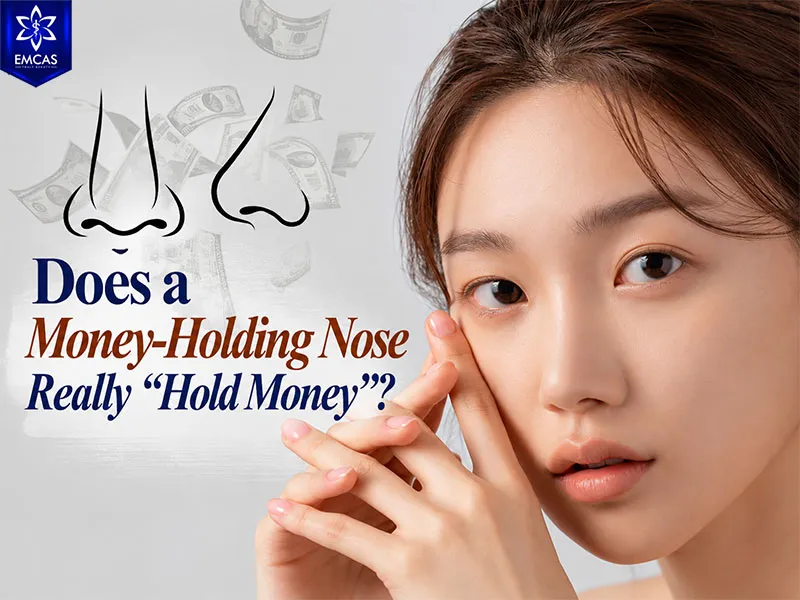
A wealth nose is an idea from traditional East Asian face reading that reflects cultural beliefs about the relationship between nasal appearance and financial fortune. While these interpretations can offer cultural context, they are not scientific predictions. If you would like to improve the appearance of your nose for personal aesthetic reasons, EMCAS Aesthetic Hospital can provide a consultation to discuss your options.
Related reading: What is rhinoplasty? Learn about the procedure, cost, recovery, and important considerations.
EMCAS AESTHETIC HOSPITAL
Address: 14/27 Hoang Du Khuong Street, Hoa Hung Ward, Ho Chi Minh City, Vietnam
Hotline: 0903082836 – 0979223636
Website: https://www.emcas.vn/en
