


Please fill in the form below !

Surgiform rhinoplasty uses an ePTFE nasal implant to augment and shape the nasal bridge. Surgiform is considered an alternative to conventional synthetic nasal implants because of its biocompatibility, microporous structure and ability to support soft-tissue ingrowth. In this article, EMCAS Aesthetic Hospital explains what a Surgiform implant is, its potential benefits, how the procedure is performed and what to expect during recovery.
What is a Surgiform implant?
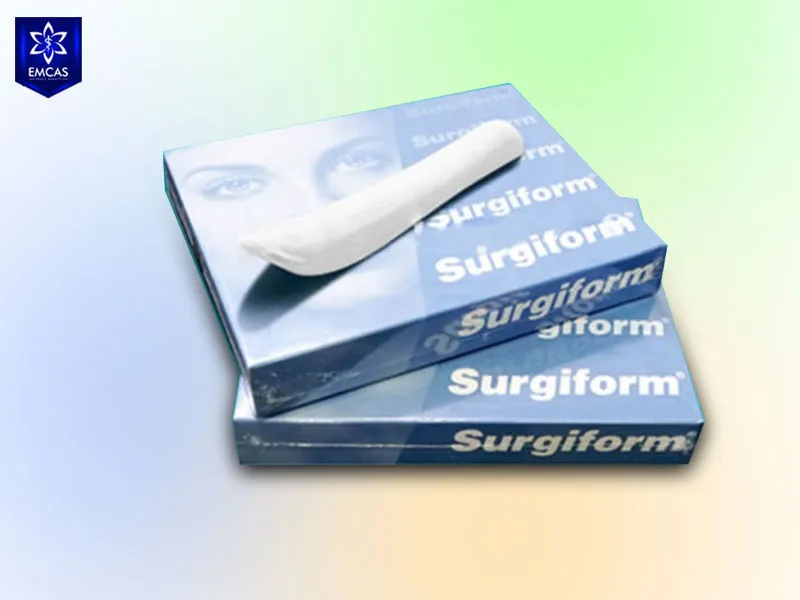
Surgiform is a synthetic facial implant material made from expanded polytetrafluoroethylene (ePTFE), a biomaterial that has been used in a range of medical applications. Surgiform Augmentation Material and PureForm ePTFE Facial Implants have received U.S. FDA 510(k) clearance based on substantial equivalence for use in plastic and reconstructive surgery.
Surgiform ePTFE has a microporous structure designed to allow soft-tissue ingrowth, which can help stabilize the implant after placement. The material is also flexible and can be trimmed, curved and shaped by the surgeon to suit the patient's nasal anatomy and desired proportions.
Surgiform may be used in augmentation rhinoplasty, structural rhinoplasty and selected procedures that combine different nasal reconstruction techniques. Its material properties allow the surgeon to shape the nasal bridge while aiming for a stable and natural-looking contour.
Why is Surgiform used in rhinoplasty?
Surgiform is considered for rhinoplasty because of several characteristics of ePTFE implants, including:
-
Biocompatible ePTFE material: ePTFE has a long history of use as an implantable medical material and is designed to produce a predictable tissue response.
-
Microporous structure: the structure of Surgiform ePTFE supports soft-tissue ingrowth, which may help stabilize the implant and reduce migration.
-
Flexible and shapeable: the implant can be trimmed and contoured by the surgeon to match the patient's nasal anatomy and aesthetic plan.
-
FDA 510(k) clearance: Surgiform Augmentation Material and PureForm ePTFE Facial Implants have received FDA 510(k) clearance through the substantial-equivalence pathway for plastic and reconstructive applications.
-
Cost: at EMCAS, rhinoplasty using synthetic implant materials may start from approximately VND 23 million. The actual cost depends on the surgical technique, implant choice and the patient's individual treatment plan.
These characteristics are among the reasons Surgiform may be considered for patients seeking nasal bridge augmentation with an ePTFE implant. However, the most appropriate implant and rhinoplasty technique should be determined after an in-person examination by a qualified surgeon.
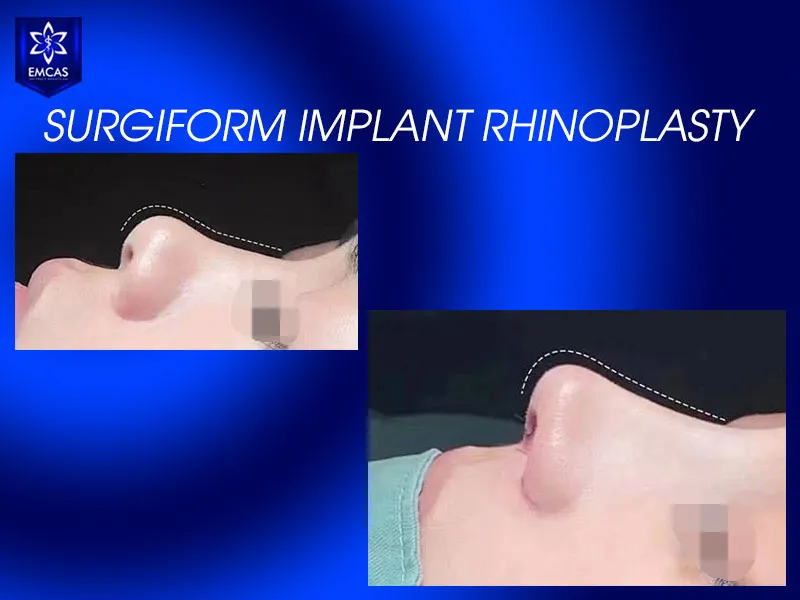
Surgiform rhinoplasty procedure
At EMCAS, Surgiform rhinoplasty generally involves four main stages:
-
Consultation and examination: the surgeon evaluates the existing nasal structure and discusses the patient's desired changes. Morpheus 3D imaging may be used to support preoperative assessment and visualization. Based on the examination, the surgeon may recommend Surgiform bridge augmentation, structural rhinoplasty or another individualized approach.
-
Preoperative health assessment: before surgery, the patient undergoes the required medical screening, which may include blood tests, a pre-anesthesia assessment, an electrocardiogram and other examinations indicated by the medical team. These results help determine whether the patient is medically eligible for surgery.
-
Surgery: the procedure is performed in an operating room under an anesthesia plan determined by the surgical and anesthesia teams. The Surgiform implant is shaped and positioned according to the surgical plan to create the intended nasal contour.
-
Postoperative care: after surgery, the patient remains under medical observation as required. Once discharged, it is important to follow postoperative care instructions, take prescribed medication correctly and attend scheduled follow-up appointments.
Read more: A medically structured rhinoplasty procedure at EMCAS
Who may be considered for Surgiform rhinoplasty?
Suitability for a Surgiform implant depends on the patient's nasal anatomy, soft-tissue condition, previous surgery and aesthetic goals. After examination, Surgiform rhinoplasty may be considered in situations such as:
-
Patients with thin nasal skin or sensitive soft tissue who require careful selection of the implant and surgical technique.
-
Patients who have previously undergone rhinoplasty and require revision because of problems such as implant deviation, contraction, visible implant edges or other complications.
-
Patients seeking a higher and more defined nasal bridge while maintaining proportions that are harmonious with the rest of the face.
-
Patients exploring alternatives to other synthetic nasal implant materials.
How long does it take for the nose to settle after Surgiform rhinoplasty?
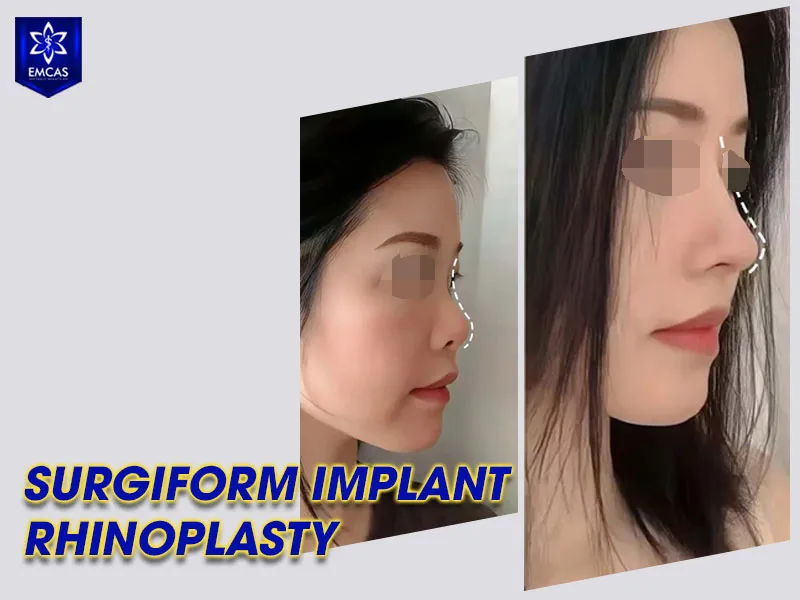
After Surgiform rhinoplasty, the nose may take approximately 3–6 months to become more stable and settle into a more natural-looking shape. Recovery varies between individuals depending on the extent of surgery, tissue characteristics and postoperative healing.
Swelling and bruising can occur during the first few weeks after surgery and usually improve gradually. Following the surgeon's postoperative instructions and attending scheduled follow-up appointments are important parts of the recovery process.
In selected cases at EMCAS, SVF may be incorporated as an adjunct to the rhinoplasty plan with the aim of supporting tissue recovery and regeneration. Whether this approach is appropriate should be determined by the treating physician after an individual assessment.
4 things to consider when choosing a rhinoplasty surgeon and facility
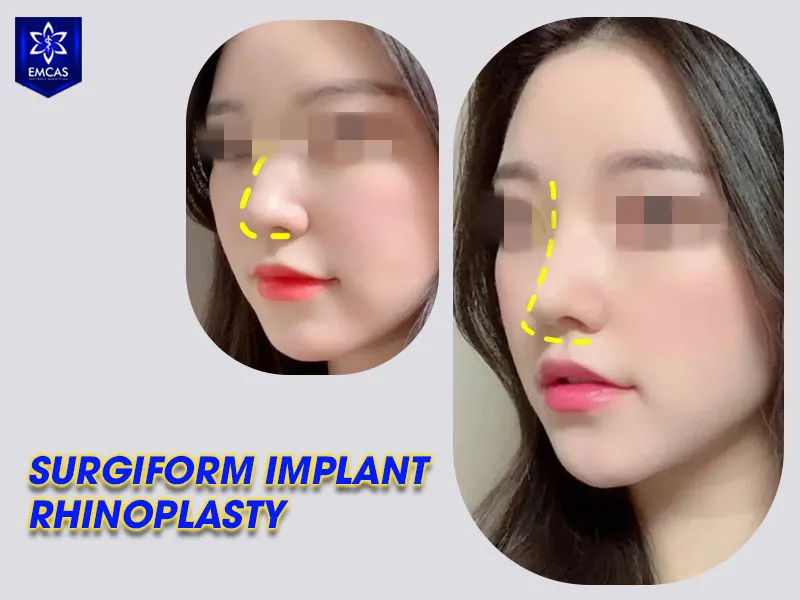
The surgeon, medical facility and implant selection can all affect the safety, recovery process and aesthetic outcome of rhinoplasty. Important factors to consider include:
-
Choose an appropriately licensed medical facility: rhinoplasty should be performed at a facility authorized to provide the relevant surgical services, with appropriate equipment, operating-room standards and postoperative support.
-
Choose a qualified and experienced surgeon: rhinoplasty requires an understanding of nasal anatomy, facial proportions and implant positioning. The treatment plan should be individualized rather than based on a single standard nose shape.
-
Confirm the implant material and its origin: different nasal implants have different physical properties, advantages and limitations. Patients should understand which material is being used and why it has been recommended.
-
Complete a preoperative examination: consultation and medical screening allow the surgeon to evaluate the nasal structure, recommend an appropriate technique and determine whether the patient is medically suitable for surgery.
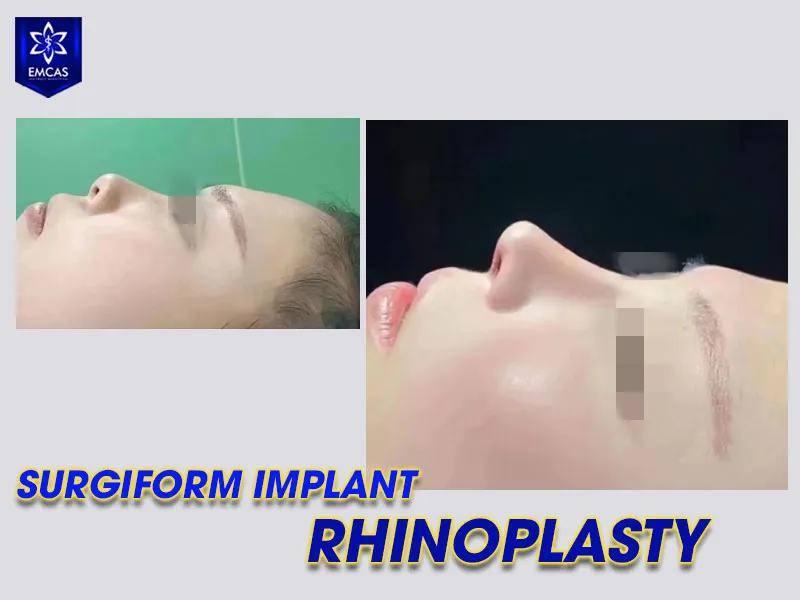
EMCAS Aesthetic Hospital provides plastic and aesthetic surgery services in Ho Chi Minh City. The medical team has experience with rhinoplasty using Surgiform and other implant materials, with treatment plans designed according to each patient's nasal anatomy and aesthetic goals.
Surgiform is an ePTFE facial implant material that can be shaped for nasal bridge augmentation and supports soft-tissue ingrowth through its microporous structure. As with any implant-based surgery, suitability, expected results and potential risks should be discussed with a qualified surgeon before deciding on treatment.
Related reading:
- Types of Rhinoplasty Implants: What Are the Options?
- What Is Artificial-Implant Rhinoplasty? Types of Synthetic Nasal Implants
EMCAS AESTHETIC HOSPITAL
Address: 14/27 Hoang Du Khuong Street, Hoa Hung Ward, Ho Chi Minh City, Vietnam
Hotline: 0903082836 – 0979223636
Website: https://www.emcas.vn/en/